
2-Ethylhexyl-10-ethyl-4,4-dioctyl-7-oxo-8-oxa-3,5-dithia-4-stannatetradecanoat
- CAS-Nr.
- 15571-58-1
- EG-Nr.
- 239-622-4
- Index-Nr.
- 050-027-00-7
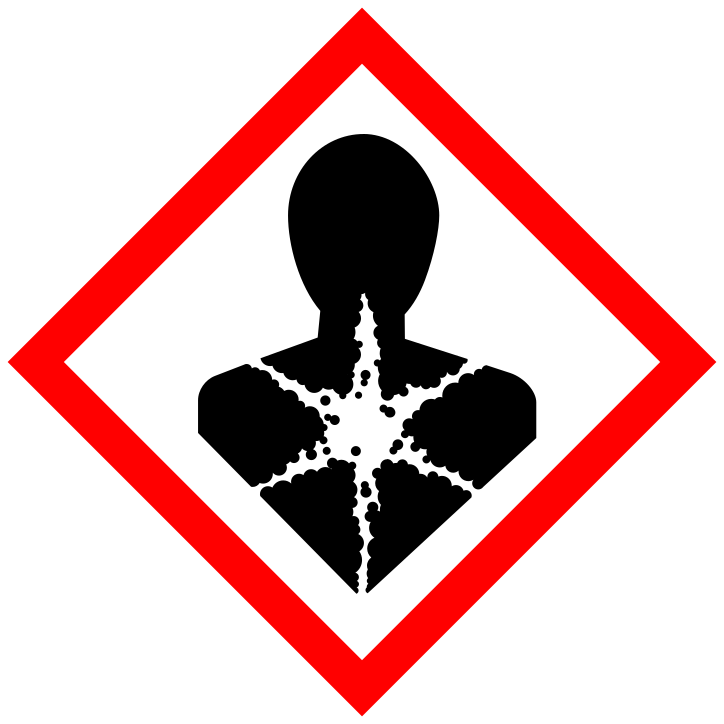
2-Ethylhexyl-10-ethyl-4,4-dioctyl-7-oxo-8-oxa-3,5-dithia-4-stannatetradecanoat (CAS 15571-58-1) ist nach CLP als Repr. 1B, STOT RE 1, Aquatic Acute 1, Aquatic Chronic 1 eingestuft: H360D, H372, H400, H410, Piktogramme GHS08, GHS09, Signalwort Gefahr. Quelle: Verordnung (EG) Nr. 1272/2008, Anhang VI, Stand 1. Juli 2026.
Welche Piktogramme und welches Signalwort gelten?
Gefahr

Wie ist 2-Ethylhexyl-10-ethyl-4,4-dioctyl-7-oxo-8-oxa-3,5-dithia-4-stannatetradecanoat nach CLP eingestuft?
| Gefahrenklasse und -kategorie | Gefahrenklasse |
|---|---|
| Repr. 1B | Reproduktionstoxizität |
| STOT RE 1 | Spezifische Zielorgan-Toxizität (wiederholte Exposition) |
| Aquatic Acute 1 | Gewässergefährdend |
| Aquatic Chronic 1 | Gewässergefährdend |
Welche H-Sätze hat 2-Ethylhexyl-10-ethyl-4,4-dioctyl-7-oxo-8-oxa-3,5-dithia-4-stannatetradecanoat?
- H360D
- Kann das Kind im Mutterleib schädigen.
- H372
- Schädigt die Organe <alle betroffenen Organe nennen> bei längerer oder wiederholter Exposition <Expositionsweg angeben, wenn schlüssig belegt ist, dass diese Gefahr bei keinem anderen Expositionsweg besteht>.
- H400
- Sehr giftig für Wasserorganismen.
- H410
- Sehr giftig für Wasserorganismen mit langfristiger Wirkung.
Welche P-Sätze werden empfohlen?
Anhang VI legt keine P-Sätze fest. Diese Auswahl stammt aus PubChem und ist eine Empfehlung. Welche P-Sätze auf das Etikett kommen, wählt der Lieferant.
- P260
- Staub/Rauch/Gas/Nebel/Dampf/Aerosol nicht einatmen.
- P264
- Nach Gebrauch … gründlich waschen.
- P270
- Bei Gebrauch nicht essen, trinken oder rauchen.
- P273
- Freisetzung in die Umwelt vermeiden.
- P280
- Schutzhandschuhe/Schutzkleidung/Augenschutz/Gesichtsschutz tragen.
- P391
- Verschüttete Mengen aufnehmen.
- P405
- Unter Verschluss aufbewahren.
- P501
- Inhalt/Behälter … zuführen.
Welche Nummern hat 2-Ethylhexyl-10-ethyl-4,4-dioctyl-7-oxo-8-oxa-3,5-dithia-4-stannatetradecanoat?
- CAS-Nr.
- 15571-58-1
- EG-Nr.
- 239-622-4
- Index-Nr.
- 050-027-00-7
- Summenformel
- C36H72O4S2Sn
- Molare Masse
- 751,8 g/mol
- IUPAC-Name
- 2-ethylhexyl 2-[[2-(2-ethylhexoxy)-2-oxoethyl]sulfanyl-dioctylstannyl]sulfanylacetate
- InChIKey
- VXGIVDFKZKMKQO-UHFFFAOYSA-L
- PubChem-CID
- 9576033
- Bezeichnung in Anhang VI
- 2-Ethylhexyl-10-ethyl-4,4-dioctyl-7-oxo-8-oxa-3,5-dithia-4-stannatetradecanoat; [DOTE]
Wo finde ich mehr über 2-Ethylhexyl-10-ethyl-4,4-dioctyl-7-oxo-8-oxa-3,5-dithia-4-stannatetradecanoat?
Häufige Fragen
Wie ist 2-Ethylhexyl-10-ethyl-4,4-dioctyl-7-oxo-8-oxa-3,5-dithia-4-stannatetradecanoat eingestuft?
Nach Anhang VI der CLP-Verordnung als Repr. 1B, STOT RE 1, Aquatic Acute 1 und Aquatic Chronic 1. Gefahrenhinweise: H360D, H372, H400 und H410.
Was bedeuten die H-Sätze von 2-Ethylhexyl-10-ethyl-4,4-dioctyl-7-oxo-8-oxa-3,5-dithia-4-stannatetradecanoat?
H360D: Kann das Kind im Mutterleib schädigen. H372: Schädigt die Organe <alle betroffenen Organe nennen> bei längerer oder wiederholter Exposition <Expositionsweg angeben, wenn schlüssig belegt ist, dass diese Gefahr bei keinem anderen Expositionsweg besteht>. H400: Sehr giftig für Wasserorganismen. H410: Sehr giftig für Wasserorganismen mit langfristiger Wirkung.
Welche Piktogramme braucht 2-Ethylhexyl-10-ethyl-4,4-dioctyl-7-oxo-8-oxa-3,5-dithia-4-stannatetradecanoat?
Anhang VI nennt GHS08 (Gesundheitsgefahr) und GHS09 (Umwelt).
Welches Signalwort hat 2-Ethylhexyl-10-ethyl-4,4-dioctyl-7-oxo-8-oxa-3,5-dithia-4-stannatetradecanoat?
Das Signalwort ist „Gefahr“.
Welche P-Sätze gelten für 2-Ethylhexyl-10-ethyl-4,4-dioctyl-7-oxo-8-oxa-3,5-dithia-4-stannatetradecanoat?
Anhang VI legt keine P-Sätze fest. PubChem empfiehlt P260, P264, P270, P273, P280, P391, P405 und P501. Welche auf das Etikett kommen, wählt der Lieferant.
Welche CAS-Nummer und EG-Nummer hat 2-Ethylhexyl-10-ethyl-4,4-dioctyl-7-oxo-8-oxa-3,5-dithia-4-stannatetradecanoat?
CAS-Nr. 15571-58-1, EG-Nr. 239-622-4, Index-Nr. 050-027-00-7.