Zum Inhalt
SDB-Finder

H360D

Kann das Kind im Mutterleib schädigen.

Gefahrenhinweis · Anhang III

H360D ist ein Gefahrenhinweis nach der CLP-Verordnung. Der amtliche Wortlaut: „Kann das Kind im Mutterleib schädigen.“ Auf dieser Website stehen 82 Stoffe aus Anhang VI mit H360D. Quelle: Verordnung (EG) Nr. 1272/2008, Anhang III, Stand 1. Juli 2026.

Wie lautet H360D in anderen Sprachen?

Deutsch
Kann das Kind im Mutterleib schädigen.
Englisch
May damage the unborn child.
Französisch
Peut nuire au fœtus.
Niederländisch
Kan het ongeboren kind schaden.

Welche Stoffe haben H360D?
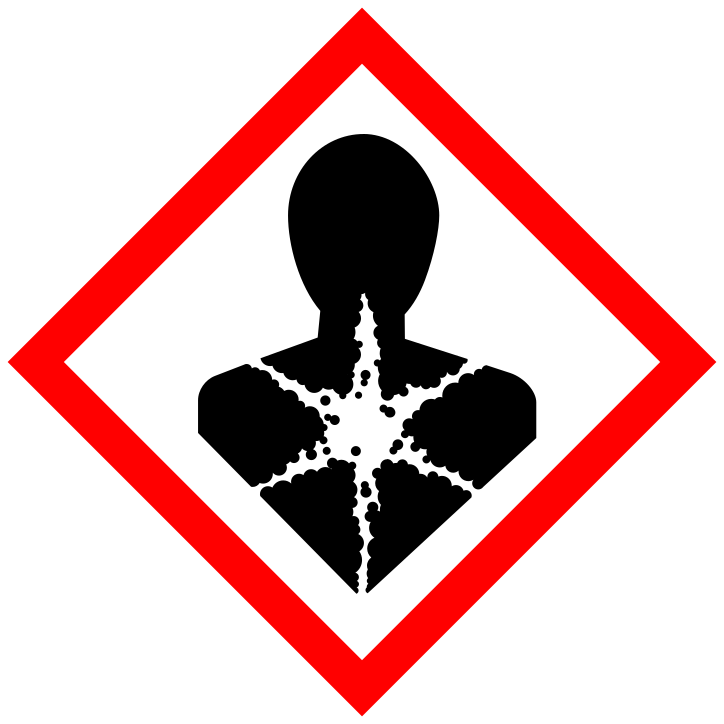
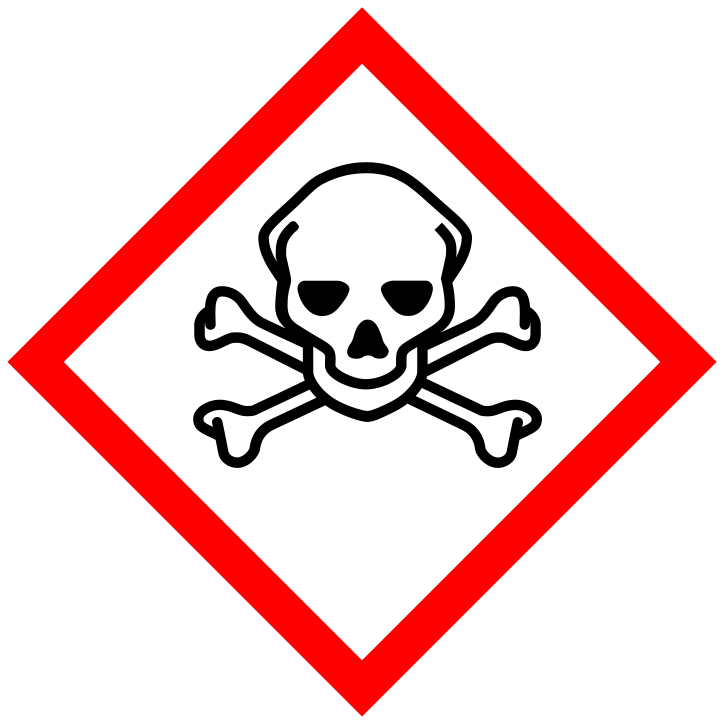
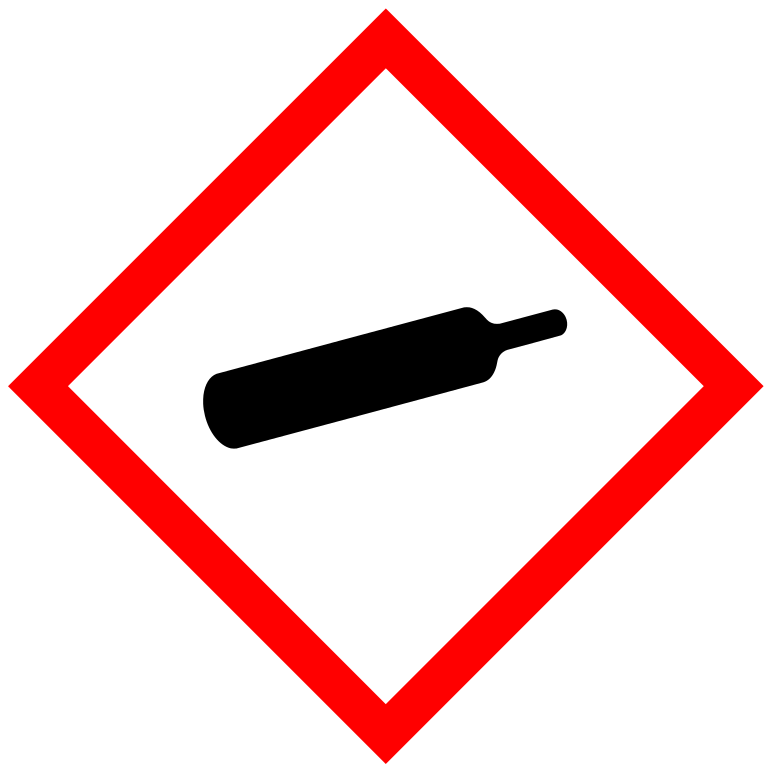
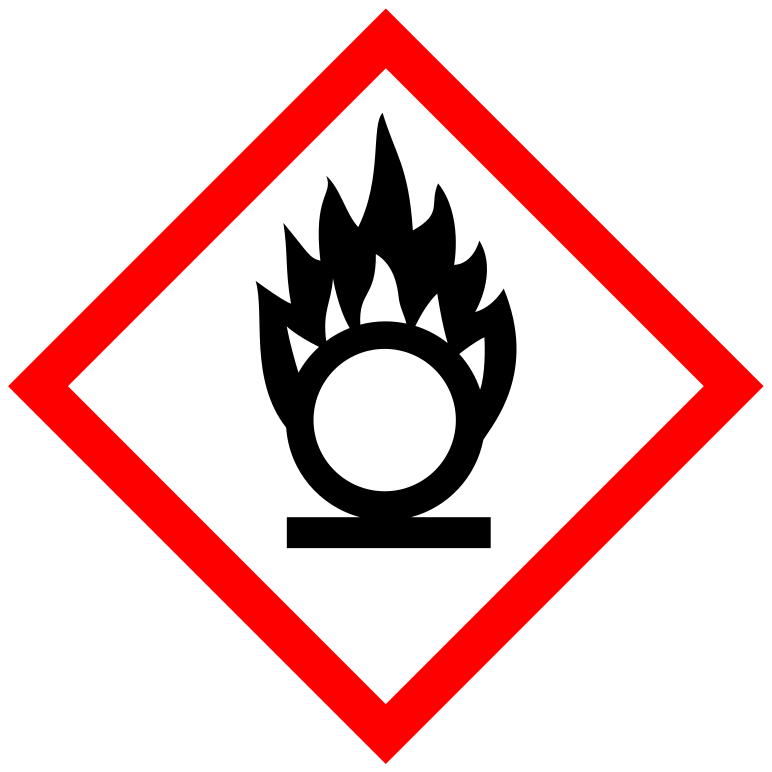
NameCAS-Nr.SignalwortPiktogramme
(Methyl-ONN-azoxy)-methylacetat 592-62-1 Gefahr GHS08
1-Vinylimidazol 1072-63-5 Gefahr GHS08
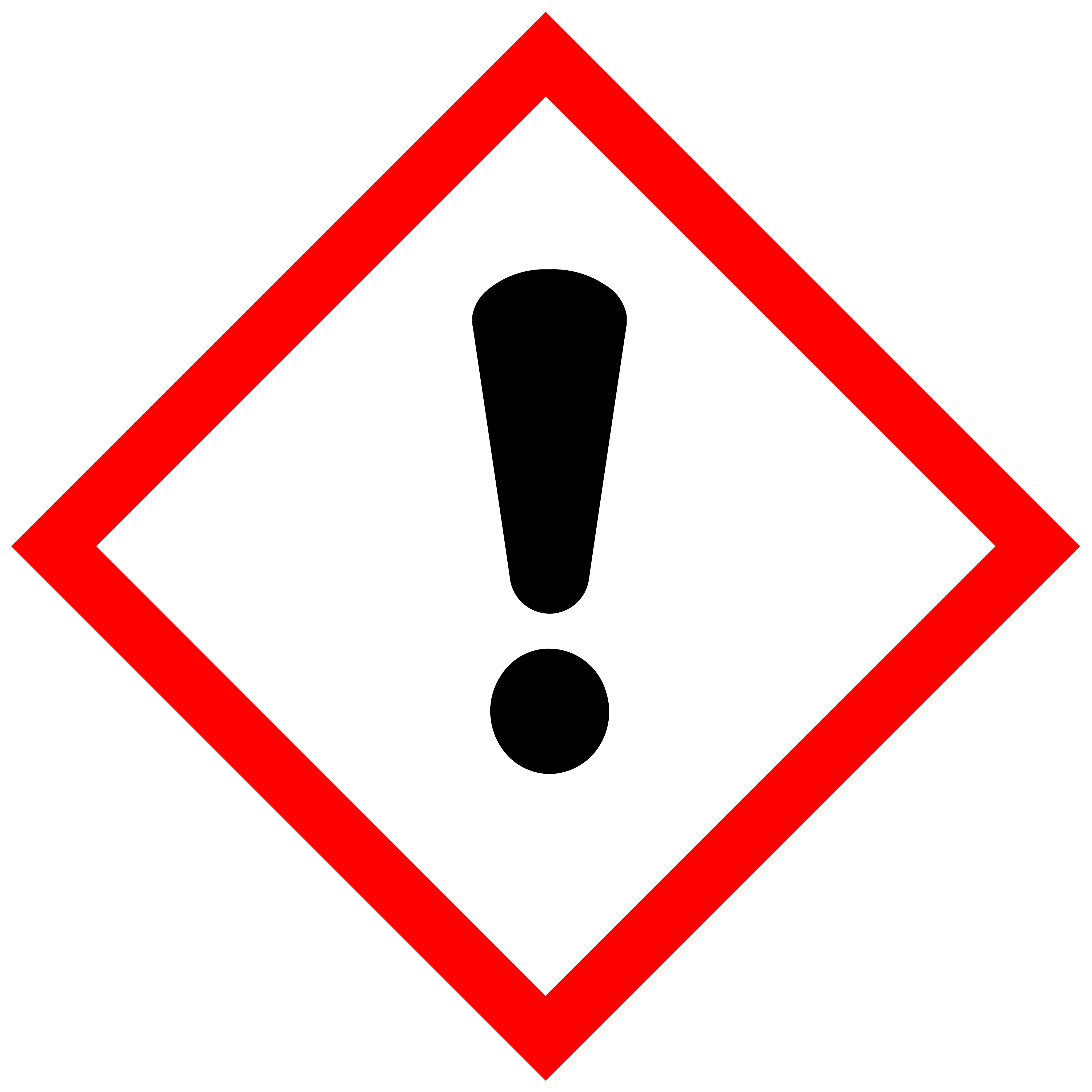
2,4,6-Tri-tert-butylphenol 732-26-3 Gefahr GHS08GHS07
2-(2-Methoxyethoxy)ethanol 111-77-3 Gefahr GHS08
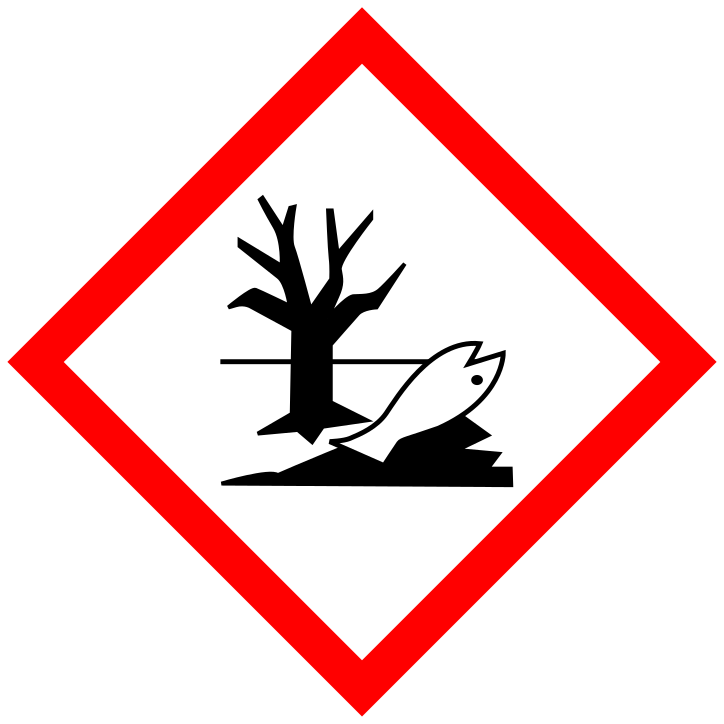
2-Benzyl-2-dimethylamino-4′-morpholinobutyrophenon 119313-12-1 Gefahr GHS08GHS09
2-Ethylhexyl-10-ethyl-4,4-dioctyl-7-oxo-8-oxa-3,5-dithia-4-stannatetradecanoat 15571-58-1 Gefahr GHS08GHS09
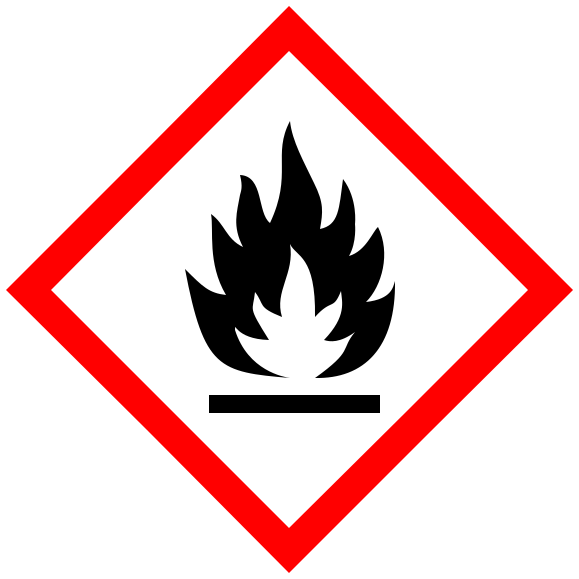
2-Methoxy-1-propanol 1589-47-5 Gefahr GHS02GHS08GHS05GHS07
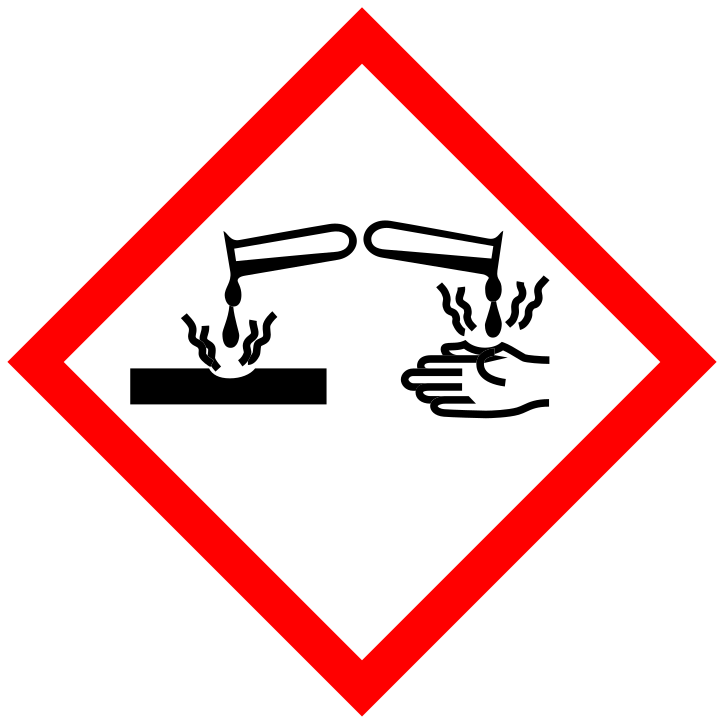
3-Methylpyrazol 1453-58-3 Gefahr GHS08GHS07GHS05
Ammoniumpentadecafluoroctanoat 3825-26-1 Gefahr GHS08GHS07GHS05
Binapacryl (ISO) 485-31-4 Gefahr GHS08GHS07GHS09
Bis(α,α-dimethylbenzyl)peroxid 80-43-3 Gefahr GHS02GHS08GHS07GHS09
Brodifacoum (ISO) 56073-10-0 Gefahr GHS08GHS06GHS09
Bromadiolon (ISO) 28772-56-7 Gefahr GHS08GHS06GHS09
Carbetamid (ISO) 16118-49-3 Gefahr GHS08GHS07GHS09
Chinolin-8-ol 8-Hydroxychinolin 148-24-3 Gefahr GHS08GHS06GHS05GHS09
Chlorphacinon (ISO) 3691-35-8 Gefahr GHS08GHS06GHS09
Coumatetralyl (ISO) 5836-29-3 Gefahr GHS08GHS06GHS09
Cycloheximid (ISO) 66-81-9 Gefahr GHS06GHS08GHS09
Cyproconazol (ISO) 94361-06-5 Gefahr GHS08GHS06GHS09
Dicyclohexylphthalat 84-61-7 Gefahr GHS08GHS07
Difenacoum (ISO) 56073-07-5 Gefahr GHS08GHS06GHS09
Dinocap (ISO) 39300-45-3 Gefahr GHS08GHS07GHS09
Dinoterb 1420-07-1 Gefahr GHS06GHS08GHS09
Dioctylzinndilaurat 3648-18-8 Gefahr GHS08
Eethylenthioharnstoff 96-45-7 Gefahr GHS08GHS07
Flocoumafen (ISO) 90035-08-8 Gefahr GHS08GHS06GHS09
Fluazifop-butyl (ISO) 69806-50-4 Gefahr GHS08GHS09
Flusilazol (ISO) 85509-19-9 Gefahr GHS08GHS07GHS09
Formamid 75-12-7 Gefahr GHS08
Imidazol 288-32-4 Gefahr GHS08GHS07GHS05
Kohlenstoffmonoxid 630-08-0 Gefahr GHS02GHS04GHS06GHS08
Mancozeb (ISO) 8018-01-7 Gefahr GHS08GHS07GHS09
N, N-Dimethylformamid 68-12-2 Gefahr GHS08GHS07
N,N-Dimethylacetamid 127-19-5 Gefahr GHS08GHS07
N-Carboxymethyliminobis(ethylennitrilo)-tetraessigsäure 67-43-6 Gefahr GHS08GHS07
N-Ethyl-2-pyrrolidon 2687-91-4 Gefahr GHS08
N-Methyl-2-pyrrolidon 872-50-4 Gefahr GHS08GHS07
N-Methylacetamid 79-16-3 Gefahr GHS08
N-Methylformamid 123-39-7 Gefahr GHS08GHS07
Nickel-bis(sulfamidat) 13770-89-3 Gefahr GHS08GHS07GHS09
Nickelcarbonat 3333-67-3 Gefahr GHS08GHS07GHS09
Nickeldi(acetat) 373-02-4 Gefahr GHS08GHS07GHS09
Nickeldichlorid 7718-54-9 Gefahr GHS06GHS08GHS09
Nickeldifluorid 10028-18-9 Gefahr GHS08GHS09
Nickeldiformiat 3349-06-2 Gefahr GHS08GHS09
Nickeldihydroxid 12054-48-7 Gefahr GHS08GHS07GHS09
Nickeldinitrat 13138-45-9 Gefahr GHS03GHS05GHS08GHS07GHS09
Nickeldiperchlorat 13637-71-3 Gefahr GHS05GHS08GHS09
Nickeldithiocyanat 13689-92-4 Gefahr GHS08GHS09
Nickelselenat 15060-62-5 Gefahr GHS08GHS09
Nickelsulfat 7786-81-4 Gefahr GHS08GHS07GHS09
Nitrofen (ISO) 1836-75-5 Gefahr GHS08GHS07GHS09
Perfluorheptansäure 375-85-9 Gefahr GHS08
Perfluoroctansulfonsäure 1763-23-1 Gefahr GHS08GHS07GHS09
Perfluoroctansäure 335-67-1 Gefahr GHS08GHS07GHS05
Propiconazol (ISO) 60207-90-1 Gefahr GHS08GHS07GHS09
Quecksilber 7439-97-6 Gefahr GHS06GHS08GHS09
Tetracarbonylnickel 13463-39-3 Gefahr GHS02GHS06GHS08GHS09
Theophyllin 58-55-9 Gefahr GHS08
Tridemorph (ISO) 24602-86-6 Gefahr GHS08GHS07GHS09
Zink-Pyrithion 13463-41-7 Gefahr GHS08GHS06GHS05GHS09
1,2-Benzoldicarbonsäure 71888-89-6 Gefahr GHS08
2-Ethylhexyl[[[3,5-bis(1,1-dimethylethyl)-4-hydroxyphenyl]methyl]thio]acetat 80387-97-9 Gefahr GHS08GHS07
2-Methoxypropylacetat 70657-70-4 Gefahr GHS02GHS08GHS07
Dichlordioctylstannan 3542-36-7 Gefahr GHS08GHS06
Etacelasil (ISO) 37894-46-5 Gefahr GHS08GHS07
Nickel(II)-octanoat 4995-91-9 Gefahr GHS05GHS08GHS09
Nickel(II)-stearat 2223-95-2 Gefahr GHS08GHS09
Nickel(II)-trifluoracetat 16083-14-0 Gefahr GHS08GHS09
Nickelbis(4-cyclohexylbutyrat) 3906-55-6 Gefahr GHS08GHS09
Nickelbis(tetrafluorborat) 14708-14-6 Gefahr GHS08GHS09
Nickeldibenzoat 553-71-9 Gefahr GHS08GHS09
Nickeldichlorat 67952-43-6 Gefahr GHS08GHS09
Nickeldichromat 15586-38-6 Gefahr GHS08GHS09
Nickeldikaliumbis(sulfat) 13842-46-1 Gefahr GHS08GHS07GHS09
Nickeldilactat 16039-61-5 Gefahr GHS08GHS09
Nickelhexafluorsilicat 26043-11-8 Gefahr GHS08GHS09
Pentanatrium-(carboxylatomethyl)iminobis(ethylennitrilo)tetraacetat 140-01-2 Gefahr GHS08GHS07
Schleime und Schlämme, elektrolytische Kupferraffination, entkupfert, Nickelsulfat 92129-57-2 Gefahr GHS08GHS07GHS09
Schleime und Schlämme, elektroyltische Kupferraffination, entkupfert 94551-87-8 Gefahr GHS08GHS09
Tetrahydrothiopyran-3-carboxaldehyd 61571-06-0 Gefahr GHS08GHS05
Warfarin (ISO) 81-81-2 Gefahr GHS08GHS06GHS09

Häufige Fragen

Was bedeutet H360D?

H360D ist ein Gefahrenhinweis nach der CLP-Verordnung. Der amtliche Wortlaut: „Kann das Kind im Mutterleib schädigen.“

Wo ist H360D festgelegt?

In Anhang III der Verordnung (EG) Nr. 1272/2008, der CLP-Verordnung. Der Wortlaut ist in jeder Amtssprache der EU festgelegt.

Wie viele Stoffe haben H360D?

Auf dieser Website stehen 82 Stoffe aus Anhang VI mit H360D.

Wie heißt H360D auf Englisch?

Der englische Wortlaut ist „May damage the unborn child.“