
Reaktionsmasse aus 2-Methyl-1-(6-methylbicyclo[2.2.1]hept-5-en-2-yl)pent-1-en-3-ol, 2-Methyl-1-(1-methylbicyclo[2.2.1]hept-5-en-2-yl)-pent-1-en-3-ol und 2-Methyl-1-(5-methylbicyclo[2.2.1]hept-5-en-2-yl)pent-1-en-3-ol
- CAS-Nr.
- 67739-11-1
- EG-Nr.
- 415-990-3
- Index-Nr.
- 603-170-00-X
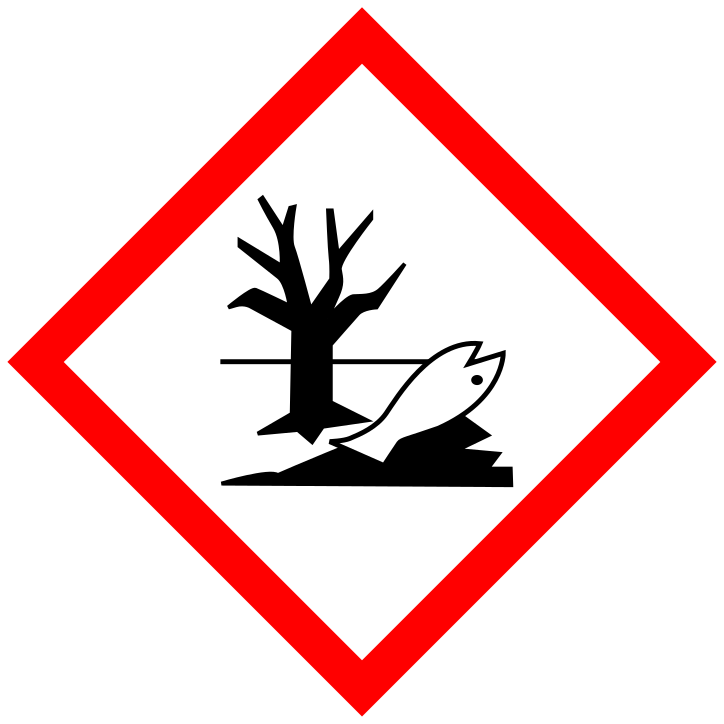
Reaktionsmasse aus 2-Methyl-1-(6-methylbicyclo[2.2.1]hept-5-en-2-yl)pent-1-en-3-ol, 2-Methyl-1-(1-methylbicyclo[2.2.1]hept-5-en-2-yl)-pent-1-en-3-ol und 2-Methyl-1-(5-methylbicyclo[2.2.1]hept-5-en-2-yl)pent-1-en-3-ol (CAS 67739-11-1) ist nach CLP als Eye Irrit. 2, Aquatic Chronic 2 eingestuft: H319, H411, Piktogramme GHS07, GHS09, Signalwort Achtung. Quelle: Verordnung (EG) Nr. 1272/2008, Anhang VI, Stand 1. Juli 2026.
Welche Piktogramme und welches Signalwort gelten?
Achtung

Wie ist Reaktionsmasse aus 2-Methyl-1-(6-methylbicyclo[2.2.1]hept-5-en-2-yl)pent-1-en-3-ol, 2-Methyl-1-(1-methylbicyclo[2.2.1]hept-5-en-2-yl)-pent-1-en-3-ol und 2-Methyl-1-(5-methylbicyclo[2.2.1]hept-5-en-2-yl)pent-1-en-3-ol nach CLP eingestuft?
| Gefahrenklasse und -kategorie | Gefahrenklasse |
|---|---|
| Eye Irrit. 2 | Schwere Augenschädigung/Augenreizung |
| Aquatic Chronic 2 | Gewässergefährdend |
Welche H-Sätze hat Reaktionsmasse aus 2-Methyl-1-(6-methylbicyclo[2.2.1]hept-5-en-2-yl)pent-1-en-3-ol, 2-Methyl-1-(1-methylbicyclo[2.2.1]hept-5-en-2-yl)-pent-1-en-3-ol und 2-Methyl-1-(5-methylbicyclo[2.2.1]hept-5-en-2-yl)pent-1-en-3-ol?
Welche P-Sätze werden empfohlen?
Anhang VI legt keine P-Sätze fest. Diese Auswahl stammt aus PubChem und ist eine Empfehlung. Welche P-Sätze auf das Etikett kommen, wählt der Lieferant.
- P273
- Freisetzung in die Umwelt vermeiden.
- P280
- Schutzhandschuhe/Schutzkleidung/Augenschutz/Gesichtsschutz tragen.
- P305+P351+P338
- BEI KONTAKT MIT DEN AUGEN: Einige Minuten lang behutsam mit Wasser spülen. Eventuell vorhandene Kontaktlinsen nach Möglichkeit entfernen. Weiter spülen.
- P391
- Verschüttete Mengen aufnehmen.
- P501
- Inhalt/Behälter … zuführen.
Welche Nummern hat Reaktionsmasse aus 2-Methyl-1-(6-methylbicyclo[2.2.1]hept-5-en-2-yl)pent-1-en-3-ol, 2-Methyl-1-(1-methylbicyclo[2.2.1]hept-5-en-2-yl)-pent-1-en-3-ol und 2-Methyl-1-(5-methylbicyclo[2.2.1]hept-5-en-2-yl)pent-1-en-3-ol?
- CAS-Nr.
- 67739-11-1
- EG-Nr.
- 415-990-3
- Index-Nr.
- 603-170-00-X
- Bezeichnung in Anhang VI
- Reaktionsmasse aus 2-Methyl-1-(6-methylbicyclo[2.2.1]hept-5-en-2-yl)pent-1-en-3-ol, 2-Methyl-1-(1-methylbicyclo[2.2.1]hept-5-en-2-yl)-pent-1-en-3-ol und 2-Methyl-1-(5-methylbicyclo[2.2.1]hept-5-en-2-yl)pent-1-en-3-ol
Wo finde ich mehr über Reaktionsmasse aus 2-Methyl-1-(6-methylbicyclo[2.2.1]hept-5-en-2-yl)pent-1-en-3-ol, 2-Methyl-1-(1-methylbicyclo[2.2.1]hept-5-en-2-yl)-pent-1-en-3-ol und 2-Methyl-1-(5-methylbicyclo[2.2.1]hept-5-en-2-yl)pent-1-en-3-ol?
Häufige Fragen
Wie ist Reaktionsmasse aus 2-Methyl-1-(6-methylbicyclo[2.2.1]hept-5-en-2-yl)pent-1-en-3-ol, 2-Methyl-1-(1-methylbicyclo[2.2.1]hept-5-en-2-yl)-pent-1-en-3-ol und 2-Methyl-1-(5-methylbicyclo[2.2.1]hept-5-en-2-yl)pent-1-en-3-ol eingestuft?
Nach Anhang VI der CLP-Verordnung als Eye Irrit. 2 und Aquatic Chronic 2. Gefahrenhinweise: H319 und H411.
Was bedeuten die H-Sätze von Reaktionsmasse aus 2-Methyl-1-(6-methylbicyclo[2.2.1]hept-5-en-2-yl)pent-1-en-3-ol, 2-Methyl-1-(1-methylbicyclo[2.2.1]hept-5-en-2-yl)-pent-1-en-3-ol und 2-Methyl-1-(5-methylbicyclo[2.2.1]hept-5-en-2-yl)pent-1-en-3-ol?
H319: Verursacht schwere Augenreizung. H411: Giftig für Wasserorganismen, mit langfristiger Wirkung.
Welche Piktogramme braucht Reaktionsmasse aus 2-Methyl-1-(6-methylbicyclo[2.2.1]hept-5-en-2-yl)pent-1-en-3-ol, 2-Methyl-1-(1-methylbicyclo[2.2.1]hept-5-en-2-yl)-pent-1-en-3-ol und 2-Methyl-1-(5-methylbicyclo[2.2.1]hept-5-en-2-yl)pent-1-en-3-ol?
Anhang VI nennt GHS07 (Ausrufezeichen) und GHS09 (Umwelt).
Welches Signalwort hat Reaktionsmasse aus 2-Methyl-1-(6-methylbicyclo[2.2.1]hept-5-en-2-yl)pent-1-en-3-ol, 2-Methyl-1-(1-methylbicyclo[2.2.1]hept-5-en-2-yl)-pent-1-en-3-ol und 2-Methyl-1-(5-methylbicyclo[2.2.1]hept-5-en-2-yl)pent-1-en-3-ol?
Das Signalwort ist „Achtung“.
Welche P-Sätze gelten für Reaktionsmasse aus 2-Methyl-1-(6-methylbicyclo[2.2.1]hept-5-en-2-yl)pent-1-en-3-ol, 2-Methyl-1-(1-methylbicyclo[2.2.1]hept-5-en-2-yl)-pent-1-en-3-ol und 2-Methyl-1-(5-methylbicyclo[2.2.1]hept-5-en-2-yl)pent-1-en-3-ol?
Anhang VI legt keine P-Sätze fest. PubChem empfiehlt P273, P280, P305+P351+P338, P391 und P501. Welche auf das Etikett kommen, wählt der Lieferant.
Welche CAS-Nummer und EG-Nummer hat Reaktionsmasse aus 2-Methyl-1-(6-methylbicyclo[2.2.1]hept-5-en-2-yl)pent-1-en-3-ol, 2-Methyl-1-(1-methylbicyclo[2.2.1]hept-5-en-2-yl)-pent-1-en-3-ol und 2-Methyl-1-(5-methylbicyclo[2.2.1]hept-5-en-2-yl)pent-1-en-3-ol?
CAS-Nr. 67739-11-1, EG-Nr. 415-990-3, Index-Nr. 603-170-00-X.