
Mono[2-(dimethylamino)ethyl]monohydrogen-2-(hexadec-2-enyl)butandioat und/oder Mono[2-(dimethylamino)ethyl]monohydrogen-3-(hexadec-2-enyl)butandioat
- CAS-Nr.
- 779343-34-9
- EG-Nr.
- 415-880-5
- Index-Nr.
- 607-410-00-4
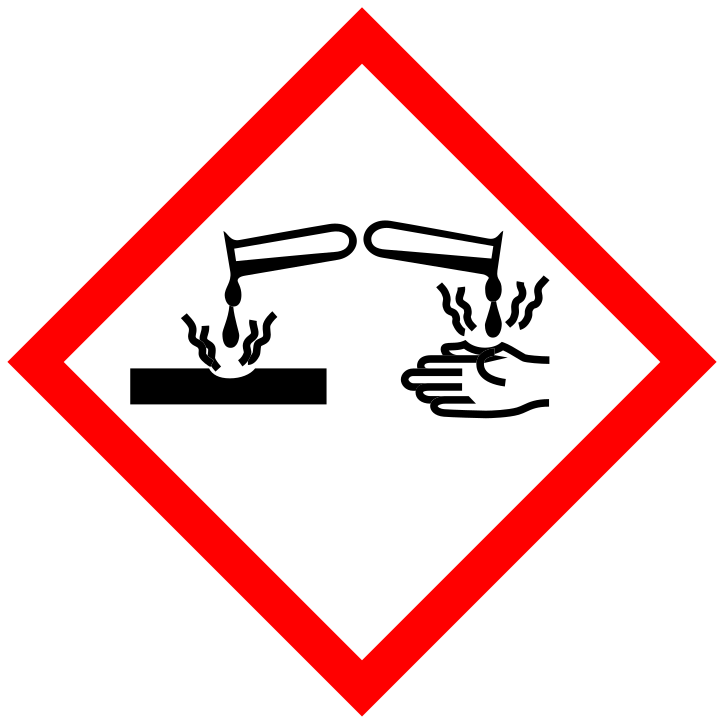
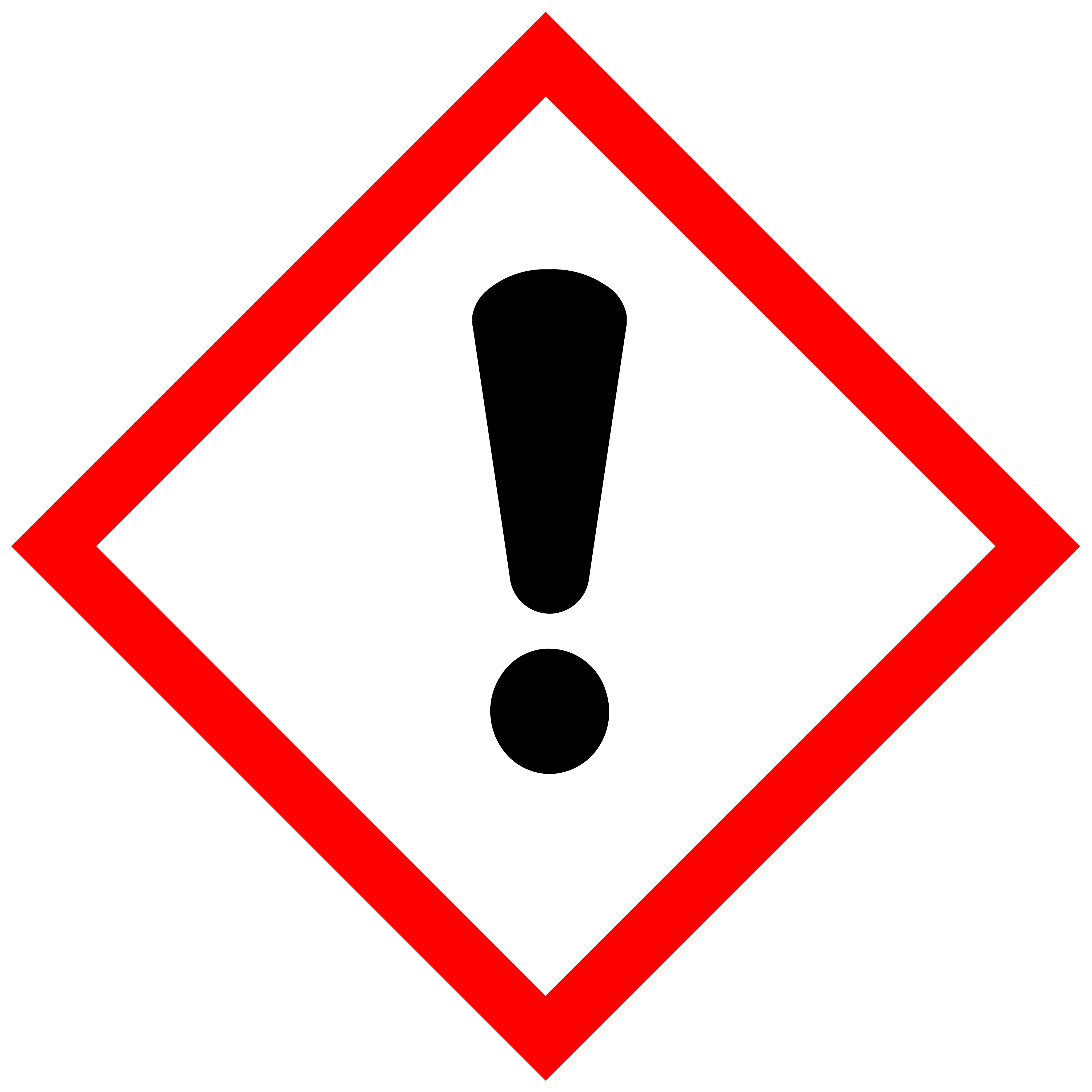
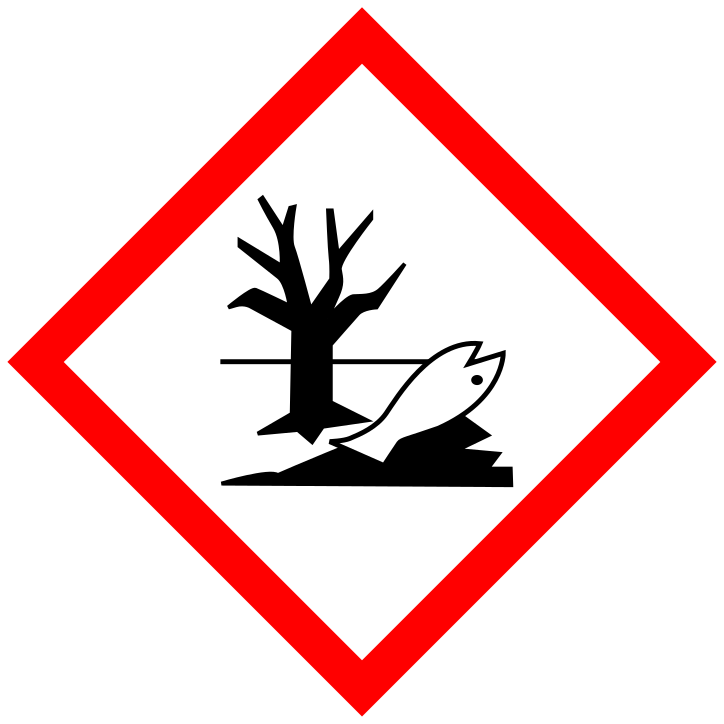
Mono[2-(dimethylamino)ethyl]monohydrogen-2-(hexadec-2-enyl)butandioat und/oder Mono[2-(dimethylamino)ethyl]monohydrogen-3-(hexadec-2-enyl)butandioat (CAS 779343-34-9) ist nach CLP als Skin Irrit. 2, Eye Dam. 1, Skin Sens. 1, Aquatic Acute 1, Aquatic Chronic 1 eingestuft: H315, H318, H317, H400, H410, Piktogramme GHS05, GHS07, GHS09, Signalwort Gefahr. Quelle: Verordnung (EG) Nr. 1272/2008, Anhang VI, Stand 1. Juli 2026.
Welche Piktogramme und welches Signalwort gelten?
Gefahr
Wie ist Mono[2-(dimethylamino)ethyl]monohydrogen-2-(hexadec-2-enyl)butandioat und/oder Mono[2-(dimethylamino)ethyl]monohydrogen-3-(hexadec-2-enyl)butandioat nach CLP eingestuft?
| Gefahrenklasse und -kategorie | Gefahrenklasse |
|---|---|
| Skin Irrit. 2 | Ätzwirkung auf die Haut/Hautreizung |
| Eye Dam. 1 | Schwere Augenschädigung/Augenreizung |
| Skin Sens. 1 | Sensibilisierung der Atemwege/Haut |
| Aquatic Acute 1 | Gewässergefährdend |
| Aquatic Chronic 1 | Gewässergefährdend |
Welche H-Sätze hat Mono[2-(dimethylamino)ethyl]monohydrogen-2-(hexadec-2-enyl)butandioat und/oder Mono[2-(dimethylamino)ethyl]monohydrogen-3-(hexadec-2-enyl)butandioat?
Welche P-Sätze werden empfohlen?
Anhang VI legt keine P-Sätze fest. Diese Auswahl stammt aus PubChem und ist eine Empfehlung. Welche P-Sätze auf das Etikett kommen, wählt der Lieferant.
- P261
- Einatmen von Staub/Rauch/Gas/Nebel/Dampf/Aerosol vermeiden.
- P264
- Nach Gebrauch … gründlich waschen.
- P272
- Kontaminierte Arbeitskleidung nicht außerhalb des Arbeitsplatzes tragen.
- P273
- Freisetzung in die Umwelt vermeiden.
- P280
- Schutzhandschuhe/Schutzkleidung/Augenschutz/Gesichtsschutz tragen.
- P302+P352
- BEI BERÜHRUNG MIT DER HAUT: Mit viel Wasser/… waschen.
- P321
- Besondere Behandlung (siehe … auf diesem Kennzeichnungsetikett).
- P362+P364
- Kontaminierte Kleidung ausziehen und vor erneutem Tragen waschen.
- P391
- Verschüttete Mengen aufnehmen.
- P501
- Inhalt/Behälter … zuführen.
Welche Nummern hat Mono[2-(dimethylamino)ethyl]monohydrogen-2-(hexadec-2-enyl)butandioat und/oder Mono[2-(dimethylamino)ethyl]monohydrogen-3-(hexadec-2-enyl)butandioat?
- CAS-Nr.
- 779343-34-9
- EG-Nr.
- 415-880-5
- Index-Nr.
- 607-410-00-4
- Bezeichnung in Anhang VI
- Mono[2-(dimethylamino)ethyl]monohydrogen-2-(hexadec-2-enyl)butandioat und/oder Mono[2-(dimethylamino)ethyl]monohydrogen-3-(hexadec-2-enyl)butandioat
Wo finde ich mehr über Mono[2-(dimethylamino)ethyl]monohydrogen-2-(hexadec-2-enyl)butandioat und/oder Mono[2-(dimethylamino)ethyl]monohydrogen-3-(hexadec-2-enyl)butandioat?
Häufige Fragen
Wie ist Mono[2-(dimethylamino)ethyl]monohydrogen-2-(hexadec-2-enyl)butandioat und/oder Mono[2-(dimethylamino)ethyl]monohydrogen-3-(hexadec-2-enyl)butandioat eingestuft?
Nach Anhang VI der CLP-Verordnung als Skin Irrit. 2, Eye Dam. 1, Skin Sens. 1, Aquatic Acute 1 und Aquatic Chronic 1. Gefahrenhinweise: H315, H318, H317, H400 und H410.
Was bedeuten die H-Sätze von Mono[2-(dimethylamino)ethyl]monohydrogen-2-(hexadec-2-enyl)butandioat und/oder Mono[2-(dimethylamino)ethyl]monohydrogen-3-(hexadec-2-enyl)butandioat?
H315: Verursacht Hautreizungen. H318: Verursacht schwere Augenschäden. H317: Kann allergische Hautreaktionen verursachen. H400: Sehr giftig für Wasserorganismen. H410: Sehr giftig für Wasserorganismen mit langfristiger Wirkung.
Welche Piktogramme braucht Mono[2-(dimethylamino)ethyl]monohydrogen-2-(hexadec-2-enyl)butandioat und/oder Mono[2-(dimethylamino)ethyl]monohydrogen-3-(hexadec-2-enyl)butandioat?
Anhang VI nennt GHS05 (Ätzwirkung), GHS07 (Ausrufezeichen) und GHS09 (Umwelt).
Welches Signalwort hat Mono[2-(dimethylamino)ethyl]monohydrogen-2-(hexadec-2-enyl)butandioat und/oder Mono[2-(dimethylamino)ethyl]monohydrogen-3-(hexadec-2-enyl)butandioat?
Das Signalwort ist „Gefahr“.
Welche P-Sätze gelten für Mono[2-(dimethylamino)ethyl]monohydrogen-2-(hexadec-2-enyl)butandioat und/oder Mono[2-(dimethylamino)ethyl]monohydrogen-3-(hexadec-2-enyl)butandioat?
Anhang VI legt keine P-Sätze fest. PubChem empfiehlt P261, P264, P272, P273, P280, P302+P352, P321, P362+P364, P391 und P501. Welche auf das Etikett kommen, wählt der Lieferant.
Welche CAS-Nummer und EG-Nummer hat Mono[2-(dimethylamino)ethyl]monohydrogen-2-(hexadec-2-enyl)butandioat und/oder Mono[2-(dimethylamino)ethyl]monohydrogen-3-(hexadec-2-enyl)butandioat?
CAS-Nr. 779343-34-9, EG-Nr. 415-880-5, Index-Nr. 607-410-00-4.