
Dinatrium-{5-[(4'-((2,6-dihydroxy-3-((2-hydroxy-5-sulfophenyl)azo)phenyl)azo)(1,1'-biphenyl)-4-yl)azo]salicylato(4-)}cuprat(2-)
- CAS-Nr.
- 16071-86-6
- EG-Nr.
- 240-221-1
- Index-Nr.
- 611-005-00-8
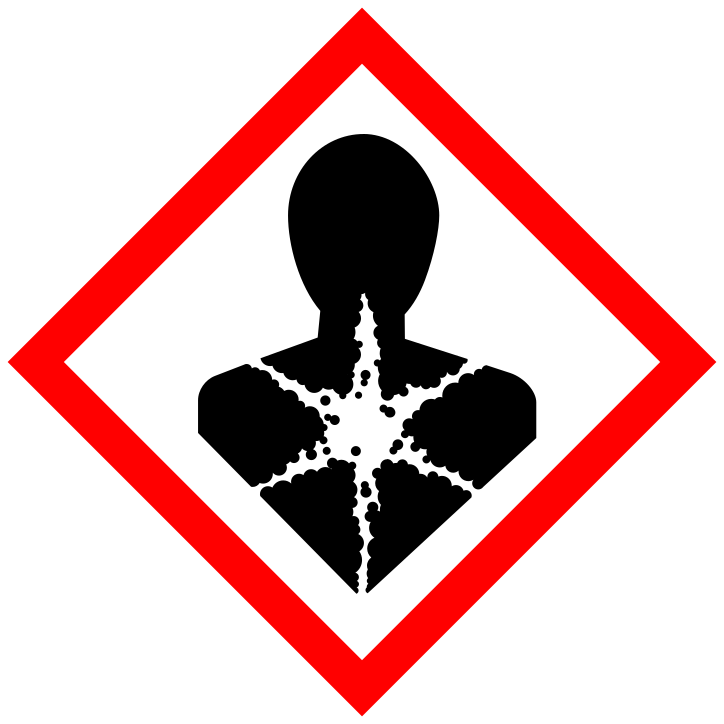
Dinatrium-{5-[(4'-((2,6-dihydroxy-3-((2-hydroxy-5-sulfophenyl)azo)phenyl)azo)(1,1'-biphenyl)-4-yl)azo]salicylato(4-)}cuprat(2-) (CAS 16071-86-6) ist nach CLP als Carc. 1B eingestuft: H350, Piktogramm GHS08, Signalwort Gefahr. Quelle: Verordnung (EG) Nr. 1272/2008, Anhang VI, Stand 1. Juli 2026.
Welche Piktogramme und welches Signalwort gelten?
Gefahr
Wie ist Dinatrium-{5-[(4'-((2,6-dihydroxy-3-((2-hydroxy-5-sulfophenyl)azo)phenyl)azo)(1,1'-biphenyl)-4-yl)azo]salicylato(4-)}cuprat(2-) nach CLP eingestuft?
| Gefahrenklasse und -kategorie | Gefahrenklasse |
|---|---|
| Carc. 1B | Karzinogenität |
Welche H-Sätze hat Dinatrium-{5-[(4'-((2,6-dihydroxy-3-((2-hydroxy-5-sulfophenyl)azo)phenyl)azo)(1,1'-biphenyl)-4-yl)azo]salicylato(4-)}cuprat(2-)?
- H350
- Kann Krebs erzeugen <Expositionsweg angeben, sofern schlüssig belegt ist, dass diese Gefahr bei keinem anderen Expositionsweg besteht>.
Welche P-Sätze werden empfohlen?
Anhang VI legt keine P-Sätze fest. Diese Auswahl stammt aus PubChem und ist eine Empfehlung. Welche P-Sätze auf das Etikett kommen, wählt der Lieferant.
Welche Nummern hat Dinatrium-{5-[(4'-((2,6-dihydroxy-3-((2-hydroxy-5-sulfophenyl)azo)phenyl)azo)(1,1'-biphenyl)-4-yl)azo]salicylato(4-)}cuprat(2-)?
- CAS-Nr.
- 16071-86-6
- EG-Nr.
- 240-221-1
- Index-Nr.
- 611-005-00-8
- PubChem-CID
- 136224831
- Bezeichnung in Anhang VI
- Dinatrium-{5-[(4'-((2,6-dihydroxy-3-((2-hydroxy-5-sulfophenyl)azo)phenyl)azo)(1,1'-biphenyl)-4-yl)azo]salicylato(4-)}cuprat(2-); CI Direct Brown 95
Wo finde ich mehr über Dinatrium-{5-[(4'-((2,6-dihydroxy-3-((2-hydroxy-5-sulfophenyl)azo)phenyl)azo)(1,1'-biphenyl)-4-yl)azo]salicylato(4-)}cuprat(2-)?
Häufige Fragen
Wie ist Dinatrium-{5-[(4'-((2,6-dihydroxy-3-((2-hydroxy-5-sulfophenyl)azo)phenyl)azo)(1,1'-biphenyl)-4-yl)azo]salicylato(4-)}cuprat(2-) eingestuft?
Nach Anhang VI der CLP-Verordnung als Carc. 1B. Gefahrenhinweise: H350.
Was bedeuten die H-Sätze von Dinatrium-{5-[(4'-((2,6-dihydroxy-3-((2-hydroxy-5-sulfophenyl)azo)phenyl)azo)(1,1'-biphenyl)-4-yl)azo]salicylato(4-)}cuprat(2-)?
H350: Kann Krebs erzeugen <Expositionsweg angeben, sofern schlüssig belegt ist, dass diese Gefahr bei keinem anderen Expositionsweg besteht>.
Welche Piktogramme braucht Dinatrium-{5-[(4'-((2,6-dihydroxy-3-((2-hydroxy-5-sulfophenyl)azo)phenyl)azo)(1,1'-biphenyl)-4-yl)azo]salicylato(4-)}cuprat(2-)?
Anhang VI nennt GHS08 (Gesundheitsgefahr).
Welches Signalwort hat Dinatrium-{5-[(4'-((2,6-dihydroxy-3-((2-hydroxy-5-sulfophenyl)azo)phenyl)azo)(1,1'-biphenyl)-4-yl)azo]salicylato(4-)}cuprat(2-)?
Das Signalwort ist „Gefahr“.
Welche P-Sätze gelten für Dinatrium-{5-[(4'-((2,6-dihydroxy-3-((2-hydroxy-5-sulfophenyl)azo)phenyl)azo)(1,1'-biphenyl)-4-yl)azo]salicylato(4-)}cuprat(2-)?
Anhang VI legt keine P-Sätze fest. PubChem empfiehlt P280, P405 und P501. Welche auf das Etikett kommen, wählt der Lieferant.
Welche CAS-Nummer und EG-Nummer hat Dinatrium-{5-[(4'-((2,6-dihydroxy-3-((2-hydroxy-5-sulfophenyl)azo)phenyl)azo)(1,1'-biphenyl)-4-yl)azo]salicylato(4-)}cuprat(2-)?
CAS-Nr. 16071-86-6, EG-Nr. 240-221-1, Index-Nr. 611-005-00-8.