
P303+P361+P353
BEI BERÜHRUNG MIT DER HAUT (oder dem Haar): Alle kontaminierten Kleidungsstücke sofort ausziehen. Haut mit Wasser abwaschen [oder duschen].
Sicherheitshinweis · Anhang IV
P303+P361+P353 ist ein Sicherheitshinweis nach der CLP-Verordnung. Der amtliche Wortlaut: „BEI BERÜHRUNG MIT DER HAUT (oder dem Haar): Alle kontaminierten Kleidungsstücke sofort ausziehen. Haut mit Wasser abwaschen [oder duschen].“ Für 215 Stoffe auf dieser Website empfiehlt PubChem P303+P361+P353. Quelle: Verordnung (EG) Nr. 1272/2008, Anhang IV, Stand 1. Juli 2026.
Wie lautet P303+P361+P353 in anderen Sprachen?
- Deutsch
- BEI BERÜHRUNG MIT DER HAUT (oder dem Haar): Alle kontaminierten Kleidungsstücke sofort ausziehen. Haut mit Wasser abwaschen [oder duschen].
- Englisch
- IF ON SKIN (or hair): Take off immediately all contaminated clothing. Rinse skin with water [or shower].
- Französisch
- EN CAS DE CONTACT AVEC LA PEAU (ou les cheveux): Enlever immédiatement tous les vêtements contaminés. Rincer la peau à l'eau [ou se doucher].
- Niederländisch
- BIJ CONTACT MET DE HUID (of het haar): verontreinigde kleding onmiddellijk uittrekken. Huid met water afspoelen [of afdouchen].
Für welche Stoffe wird P303+P361+P353 empfohlen?
200 von 215 Stoffen. Die übrigen finden Sie hier: Suche · Stoffe von A bis Z
| Name | CAS-Nr. | Signalwort | Piktogramme |
|---|---|---|---|
| 1,1-Dichlorethan | 75-34-3 | Gefahr |   |
| 1,1-Dichlorethen | 75-35-4 | Gefahr |  |
| 1,1-Diethoxyethan | 105-57-7 | Gefahr | |
| 1,1-Dimethoxyethan | 534-15-6 | Gefahr | |
| 1,2,4-Trimethylbenzol | 95-63-6 | Achtung |  |
| 1,2-Dichlorethan | 107-06-2 | Gefahr | |
| 1,2-Dichlorpropan | 78-87-5 | Gefahr | |
| 1,2-Diethoxyethan | 629-14-1 | Gefahr | |
| 1,2-Diethoxypropan | 10221-57-5 | Gefahr | |
| 1,2-Dimethoxyethan | 110-71-4 | Gefahr | |
| 1,2-Dimethoxypropan | 7778-85-0 | Gefahr | |
| 1,2-Epoxybutan | 106-88-7 | Gefahr | |
| 1,3-Dioxolan | 646-06-0 | Gefahr | |
| 1,3-Propylenoxid | 503-30-0 | Gefahr | |
| 1,4-Dioxan | 123-91-1 | Gefahr | |
| 1-Brompropan | 106-94-5 | Gefahr | |
| 1-Chlor-2,3-epoxypropan | 106-89-8 | Gefahr | 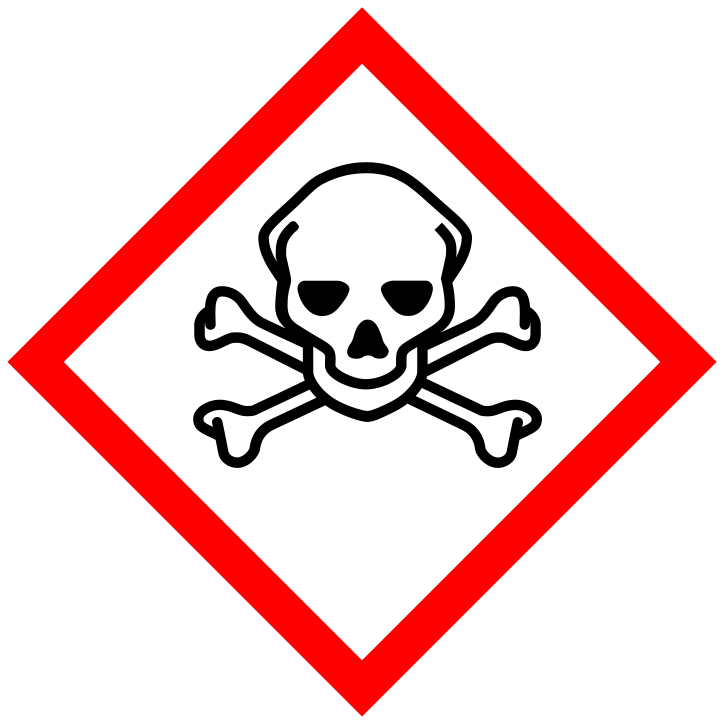 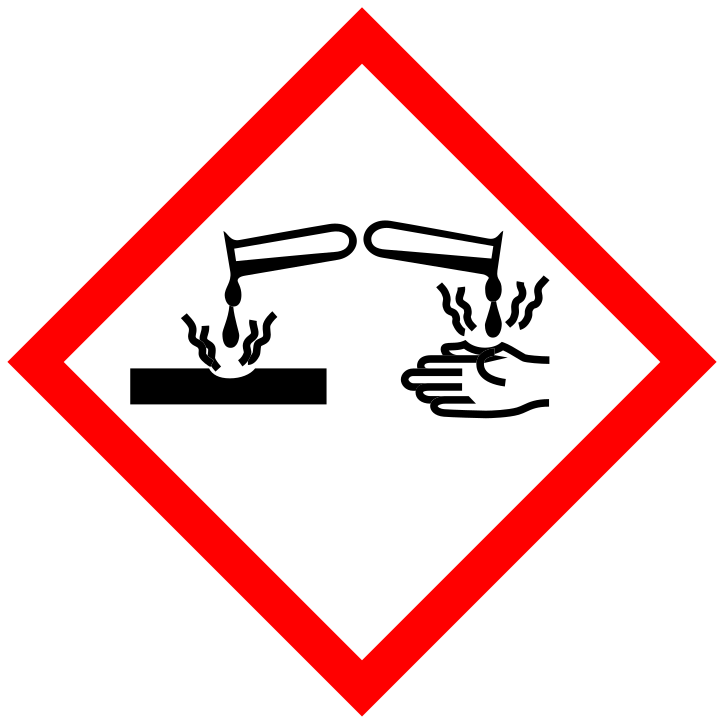 |
| 1-Chlorbutan | 109-69-3 | Gefahr | |
| 1-Methoxy-2-propanol | 107-98-2 | Achtung | |
| 1-Methoxy-2-propylamin | 37143-54-7 | Gefahr | |
| 1-Nitropropan | 108-03-2 | Achtung | |
| 1-tert-Butoxy-2-propanol | 57018-52-7 | Gefahr | |
| 2,4,6-Trimethyl-1,3,5-trioxan | 123-63-7 | Achtung | |
| 2,4-Dimethylpentan-3-on | 565-80-0 | Gefahr | |
| 2,4-Pentandion | 123-54-6 | Achtung | |
| 2,6-Dimethylheptan-4-on | 108-83-8 | Achtung | |
| 2-Aminopropan | 75-31-0 | Gefahr | |
| 2-Brompropan | 75-26-3 | Gefahr | |
| 2-Diethylaminoethanol | 100-37-8 | Gefahr | |
| 2-Dimethylaminoethanol | 108-01-0 | Gefahr | |
| 2-Ethoxyethanol | 110-80-5 | Gefahr | |
| 2-Ethoxyethylacetat | 111-15-9 | Gefahr | |
| 2-Heptanon | 110-43-0 | Achtung | |
| 2-Hexanon | 591-78-6 | Gefahr | |
| 2-Methoxy-1-methylethylacetat | 108-65-6 | Achtung | |
| 2-Methoxy-1-propanol | 1589-47-5 | Gefahr | |
| 2-Methoxy-2-methylbutan | 994-05-8 | Gefahr | |
| 2-Methoxyethanol | 109-86-4 | Gefahr | |
| 2-Methyl-1-propanol | 78-83-1 | Gefahr | |
| 2-Methylaziridin | 75-55-8 | Gefahr | |
| 2-Methylbutan-2-ol | 75-85-4 | Gefahr | |
| 2-Methylcyclohexanon | 583-60-8 | Achtung | |
| 2-Methylpropan-2-ol | 75-65-0 | Gefahr | |
| 2-Nitropropan | 79-46-9 | Gefahr | |
| 2-Propanol | 67-63-0 | Gefahr | |
| 3-Aminopropyldimethylamin | 109-55-7 | Gefahr | |
| 3-Chlor-2-methylpropen | 563-47-3 | Gefahr | |
| 3-Chlorpropen | 107-05-1 | Gefahr | |
| 3-Iodpropen | 556-56-9 | Gefahr | |
| 3-Methylbutan-2-on | 563-80-4 | Gefahr | |
| 3-Pentanon | 96-22-0 | Gefahr | |
| 3a,4,7,7a-Tetrahydro-4,7-methanoinden | 77-73-6 | Gefahr | |
| 4-Heptanon | 123-19-3 | Achtung | |
| 4-Methylpent-3-en-2-on | 141-79-7 | Achtung | |
| 4-Methylpentan-2-ol | 108-11-2 | Achtung | |
| 4-Methylpentan-2-on | 108-10-1 | Gefahr | |
| 5-Methylhexan-2-on | 110-12-3 | Achtung | |
| Acetaldehyd | 75-07-0 | Gefahr | |
| Aceton | 67-64-1 | Gefahr | |
| Acetonitril | 75-05-8 | Gefahr | |
| Acetylchlorid | 75-36-5 | Gefahr | |
| Acrolein | 107-02-8 | Gefahr | |
| Acrylnitril | 107-13-1 | Gefahr | |
| Acrylsäure | 79-10-7 | Gefahr | |
| Allylalkohol | 107-18-6 | Gefahr | |
| Allylamin | 107-11-9 | Gefahr | |
| Allylglycidylether | 106-92-3 | Gefahr | |
| Allylmethacrylat | 96-05-9 | Gefahr | |
| Ameisensäure % | 64-18-6 | Gefahr | |
| Benzol | 71-43-2 | Gefahr | |
| Benzyldimethylamin | 103-83-3 | Gefahr | |
| Bis(2-methoxyethyl)ether | 111-96-6 | Gefahr | |
| Bis(chlormethyl)ether | 542-88-1 | Gefahr | |
| Brombenzol | 108-86-1 | Achtung | |
| Bromethan | 74-96-4 | Gefahr | |
| Butan-1-ol | 71-36-3 | Gefahr | |
| Butanon | 78-93-3 | Gefahr | |
| Butocarboxim (ISO) | 34681-10-2 | Gefahr | |
| Butylamin | 109-73-9 | Gefahr | |
| Butylbutyrat | 109-21-7 | Achtung | |
| Butylchlorformiat | 592-34-7 | Gefahr | |
| Butylnitrit | 544-16-1 | Gefahr | |
| Butyraldehyd | 123-72-8 | Gefahr | |
| Butyrylchlorid | 141-75-3 | Gefahr | |
| Chlorbenzol | 108-90-7 | Achtung | |
| Chlormethylmethylether | 107-30-2 | Gefahr | |
| Chloropren (stabilisiert) | 126-99-8 | Gefahr | |
| Cumol | 98-82-8 | Gefahr | |
| Cyanwasserstoff | 74-90-8 | Gefahr | |
| Cyclohexan | 110-82-7 | Gefahr | |
| Cyclohexanon | 108-94-1 | Achtung | |
| Cyclohexylamin | 108-91-8 | Gefahr | |
| Cyclopentan | 287-92-3 | Gefahr | |
| Cyclopentanon | 120-92-3 | Achtung | |
| Di-n-Butylamin | 111-92-2 | Gefahr | |
| Di-n-butylether | 142-96-1 | Achtung | |
| Di-tert-butylperoxid | 110-05-4 | Gefahr | |
| Diethylamin | 109-89-7 | Gefahr | |
| Diethylether | 60-29-7 | Gefahr | |
| Diisopropylamin | 108-18-9 | Gefahr | |
| Diketen | 674-82-8 | Achtung | |
| Dimethylcarbonat | 616-38-6 | Gefahr | |
| Dimethyldichlorsilan | 75-78-5 | Gefahr | |
| Dipropylamin | 142-84-7 | Gefahr | |
| Essigsäure … % | 64-19-7 | Gefahr | |
| Essigsäureanhydrid | 108-24-7 | Gefahr | |
| Ethanethiol | 75-08-1 | Gefahr | |
| Ethanol | 64-17-5 | Gefahr | |
| Ethylacetat | 141-78-6 | Gefahr | |
| Ethylacrylat | 140-88-5 | Gefahr | |
| Ethylbenzol | 100-41-4 | Gefahr | |
| Ethylchlorformiat | 541-41-3 | Gefahr | |
| Ethyldimethylamin | 598-56-1 | Gefahr | |
| Ethylendiamin | 107-15-3 | Gefahr | |
| Ethylenimin | 151-56-4 | Gefahr | |
| Ethylformiat | 109-94-4 | Gefahr | |
| Ethylpropionat | 105-37-3 | Gefahr | |
| Furan | 110-00-9 | Gefahr | |
| Heptan-3-on | 106-35-4 | Achtung | |
| Hydrazin | 302-01-2 | Gefahr | |
| Isobutylacrylat | 106-63-8 | Achtung | |
| Isobutylmethacrylat | 97-86-9 | Achtung | |
| Isobutylnitrit | 542-56-3 | Gefahr | |
| Isobutyrylchlorid | 79-30-1 | Gefahr | |
| Isopentan | 78-78-4 | Gefahr | |
| Isopren (stabilisiert) 2-Methyl-1,3-butadien | 78-79-5 | Gefahr | |
| Isopropylchloracetat | 105-48-6 | Gefahr | |
| Isopropylpropionat | 637-78-5 | Gefahr | |
| Kohlenstoffdisulfid | 75-15-0 | Gefahr | |
| Mesitylen | 108-67-8 | Achtung | |
| Methacrylnitril | 126-98-7 | Gefahr | |
| Methacrylsäureethylester | 97-63-2 | Gefahr | |
| Methanol | 67-56-1 | Gefahr | |
| Methylacetat | 79-20-9 | Gefahr | |
| Methylacrylat | 96-33-3 | Gefahr | |
| Methylchloracetat, Chloressigsäuremethylester | 96-34-4 | Gefahr | |
| Methylchlorformiat | 79-22-1 | Gefahr | |
| Methylcyclohexan | 108-87-2 | Gefahr | |
| Methylformiat | 107-31-3 | Gefahr | |
| Methylisocyanat | 624-83-9 | Gefahr | |
| Methylmethacrylat | 80-62-6 | Gefahr | |
| Methylpropionat | 554-12-1 | Gefahr | |
| Morpholin | 110-91-8 | Gefahr | |
| N, N,N',N'-Tetramethylethylendiamin | 110-18-9 | Gefahr | |
| N,N-Dimethylhydrazin | 57-14-7 | Gefahr | |
| n-Butylacetat | 123-86-4 | Achtung | |
| n-Butylacrylat | 141-32-2 | Achtung | |
| n-Butylglycidylether | 2426-08-6 | Achtung | |
| n-Butylmethacrylat | 97-88-1 | Achtung | |
| n-Butyronitril | 109-74-0 | Gefahr | |
| n-Hexan | 110-54-3 | Gefahr | |
| Nitroethan | 79-24-3 | Achtung | |
| Nitromethan | 75-52-5 | Achtung | |
| Parathion-methyl (ISO) | 298-00-0 | Gefahr | |
| Pentan | 109-66-0 | Gefahr | |
| Piperidin | 110-89-4 | Gefahr | |
| Prop-2-in-1-ol | 107-19-7 | Gefahr | |
| Propan-1-ol | 71-23-8 | Gefahr | |
| Propanal | 123-38-6 | Gefahr | |
| Propionylchlorid | 79-03-8 | Gefahr | |
| Propylchlorformiat | 109-61-5 | Gefahr | |
| Propylendiamin | 78-90-0 | Gefahr | |
| Propylenoxid | 75-56-9 | Gefahr | |
| Propylpropionat | 106-36-5 | Achtung | |
| Pyridin | 110-86-1 | Gefahr | |
| Styrol | 100-42-5 | Gefahr | |
| Terpentin, Öl | 8006-64-2 | Gefahr | |
| tert-Butylacrylat | 1663-39-4 | Gefahr | |
| tert-Butylmethylether | 1634-04-4 | Gefahr | |
| tert-Butylnitrit 1,1-Dimethyl-ethylnitrit-1 | 540-80-7 | Gefahr | |
| tert-Butylpropionat | 20487-40-5 | Gefahr | |
| Tetracarbonylnickel | 13463-39-3 | Gefahr | |
| Tetraethylsilicat | 78-10-4 | Achtung | |
| Tetrahydrofuran | 109-99-9 | Gefahr | |
| Tetrahydrothiophen | 110-01-0 | Gefahr | |
| Toluol | 108-88-3 | Gefahr | |
| Trichlor(methyl)silan | 75-79-6 | Gefahr | |
| Trichlorsilan | 10025-78-2 | Gefahr | |
| Triethylamin | 121-44-8 | Gefahr | |
| Trimethylborat | 121-43-7 | Gefahr | |
| Vinylacetat | 108-05-4 | Gefahr | |
| α, α,α-Trifluortoluol | 98-08-8 | Gefahr | |
| (2-Butyl-5-nitrobenzofuran-3-yl)[4-(3-dibutylaminopropoxy)phenyl]methanon | 141645-23-0 | Gefahr | |
| (S)-Methyl-2-chlorpropionat | 73246-45-4 | Achtung | |
| 1,1,1,3,3-Pentafluorbutan | 406-58-6 | Gefahr | |
| 1,1-Dichlorpropen | 563-58-6 | Gefahr | |
| 1,3-Diethoxypropan | 3459-83-4 | Achtung | |
| 1,4-Dimethylcyclohexan | 589-90-2 | Gefahr | |
| 1-Brom-3,4,5-trifluorbenzol | 138526-69-9 | Gefahr | |
| 1-Brom-3,5-difluorbenzol | 461-96-1 | Achtung | |
| 2,2-Dichlor-1,3-benzodioxol | 2032-75-9 | Gefahr | |
| 2,3-Dichlorpropen | 78-88-6 | Gefahr | |
| 2,4,4-Trimethylpent-1-en | 107-39-1 | Gefahr | |
| 2,4,4-Trimethylpenten | 25167-70-8 | Gefahr | |
| 2-Methoxypropylacetat | 70657-70-4 | Gefahr | |
| 2-Methyl-3-(trimethoxysilyl)propyl-2-propenoat, Hydrolyseprodukt mit Siliciumdioxid | 125804-20-8 | Gefahr | |
| 2-Phenylpropen | 98-83-9 | Achtung | |
| 3-Chlor-4,5,α, α,α-pentafluortoluol | 77227-99-7 | Achtung | |
| 4-Methoxy-4-methylpentan-2-on | 107-70-0 | Achtung | |
| 5-Methyl-3-heptanon | 541-85-5 | Achtung | |
Welche Sicherheitsdatenblätter nennen P303+P361+P353?
- Cubic Ink - Resin Cleaner 400 Carl Roth GmbH + Co. KG, 27. Februar 2026
- aspirmatic® Schülke & Mayr GmbH, 6. August 2024
- bactipal® 2,5 Schülke & Mayr GmbH, 27. Mai 2026
- dentavon®ID Schülke & Mayr GmbH, 20. März 2026
- gigasept® AF forte Schülke & Mayr GmbH, 13. Mai 2026
- gigazyme® X·tra Schülke & Mayr GmbH, 15. September 2026
- perform® classic concentrate OXY Schülke & Mayr GmbH, 26. Februar 2025
- perform® classic concentrate PAA Schülke & Mayr GmbH, 6. Mai 2026
- perform® sterile concentrate OXY Schülke & Mayr GmbH, 26. Februar 2025
- perform® sterile concentrate PAA Schülke & Mayr GmbH, 6. Mai 2026
- perform® sterile concentrate PEROXY Schülke & Mayr GmbH, 20. März 2026
- perform® sterile concentrate Q2 Schülke & Mayr GmbH, 9. September 2026
- puresept® Schülke & Mayr GmbH, 27. Februar 2024
- quartasept® plus Schülke & Mayr GmbH, 9. September 2026
- rotasept® Schülke & Mayr GmbH, 13. November 2023
- thermosept® ED Schülke & Mayr GmbH, 8. Juni 2026
- thermosept® Kraftreiniger A Schülke & Mayr GmbH, 17. September 2024
- thermosept® NKP Schülke & Mayr GmbH, 17. Oktober 2024
- thermosept® PAA additive Schülke & Mayr GmbH, 26. Mai 2026
- thermosept® PAA base Schülke & Mayr GmbH, 6. Mai 2026
- thermosept® RKF Schülke & Mayr GmbH, 21. Oktober 2026
Häufige Fragen
Was bedeutet P303+P361+P353?
P303+P361+P353 ist ein Sicherheitshinweis nach der CLP-Verordnung. Der amtliche Wortlaut: „BEI BERÜHRUNG MIT DER HAUT (oder dem Haar): Alle kontaminierten Kleidungsstücke sofort ausziehen. Haut mit Wasser abwaschen [oder duschen].“
Wo ist P303+P361+P353 festgelegt?
In Anhang IV der Verordnung (EG) Nr. 1272/2008, der CLP-Verordnung. Der Wortlaut ist in jeder Amtssprache der EU festgelegt.
Wie viele Stoffe haben P303+P361+P353?
Für 215 Stoffe auf dieser Website empfiehlt PubChem P303+P361+P353.
Wie heißt P303+P361+P353 auf Englisch?
Der englische Wortlaut ist „IF ON SKIN (or hair): Take off immediately all contaminated clothing. Rinse skin with water [or shower].“