Zum Inhalt
SDB-Finder

H361d

Kann vermutlich das Kind im Mutterleib schädigen.

Gefahrenhinweis · Anhang III

H361d ist ein Gefahrenhinweis nach der CLP-Verordnung. Der amtliche Wortlaut: „Kann vermutlich das Kind im Mutterleib schädigen.“ Auf dieser Website stehen 55 Stoffe aus Anhang VI mit H361d. Quelle: Verordnung (EG) Nr. 1272/2008, Anhang III, Stand 1. Juli 2026.

Wie lautet H361d in anderen Sprachen?

Deutsch
Kann vermutlich das Kind im Mutterleib schädigen.
Englisch
Suspected of damaging the unborn child.
Französisch
Susceptible de nuire au fœtus.
Niederländisch
Wordt ervan verdacht het ongeboren kind te schaden.

Welche Stoffe haben H361d?
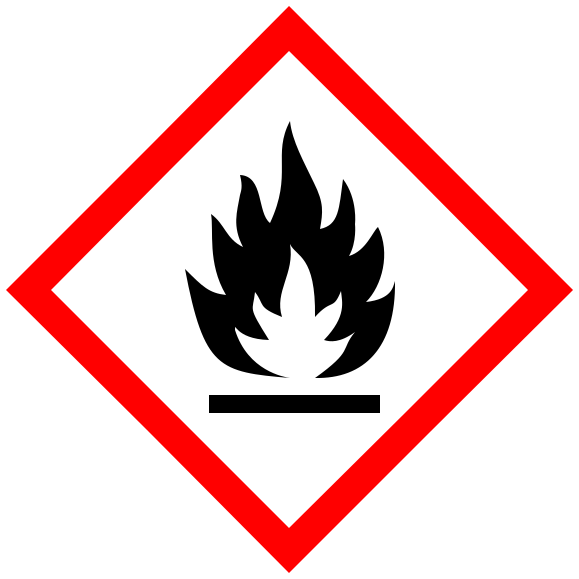
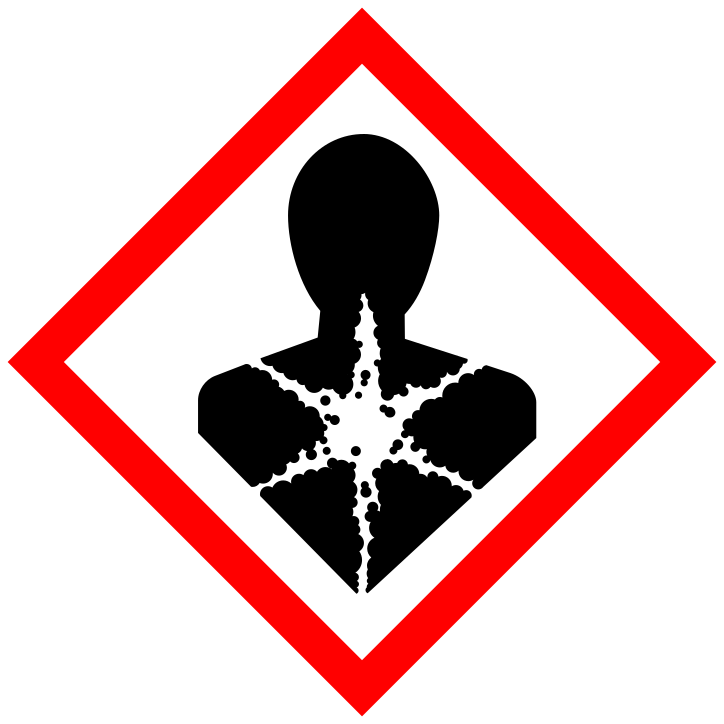
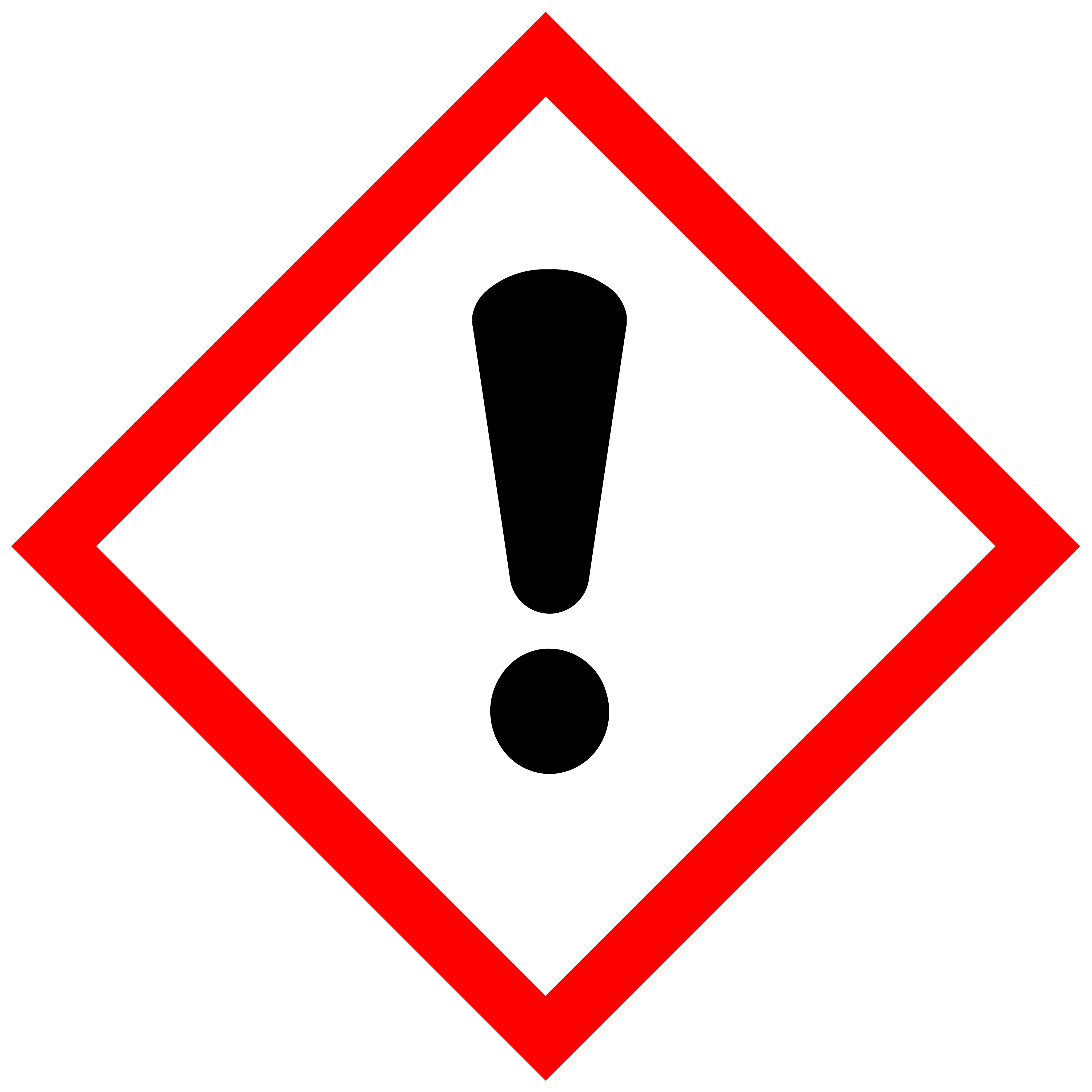
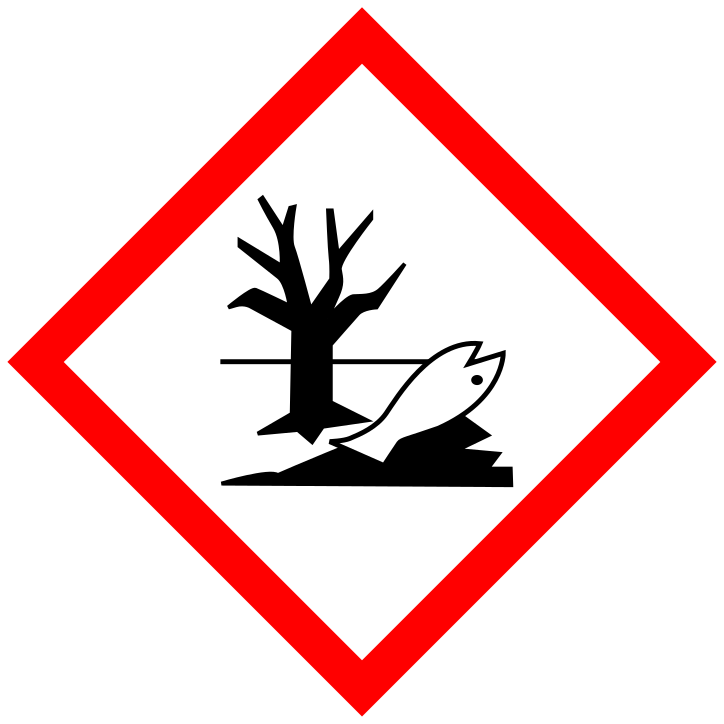
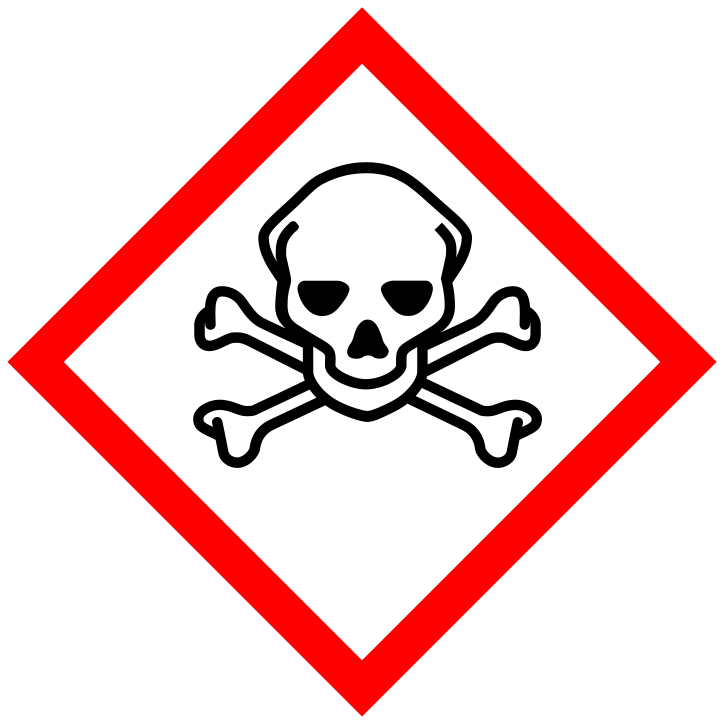
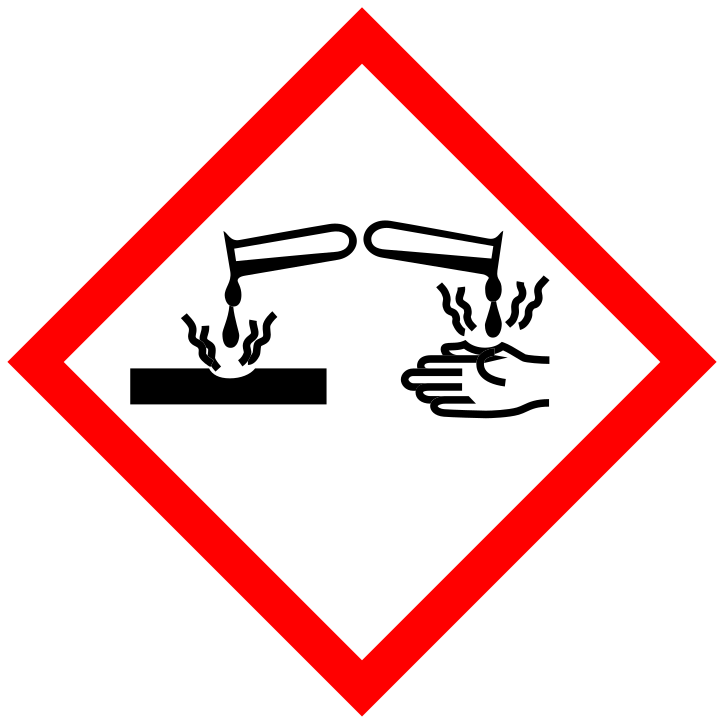
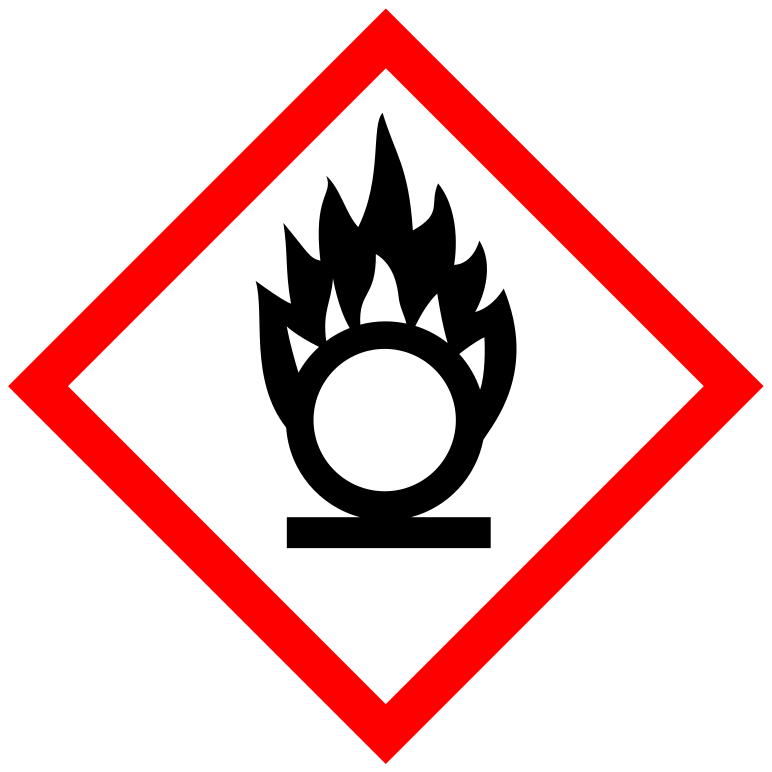
NameCAS-Nr.SignalwortPiktogramme
1,3,5-Trioxan 110-88-3 Gefahr GHS02GHS08GHS07
Amitrol (ISO) 61-82-5 Achtung GHS08GHS09
Benfluralin (ISO) 1861-40-1 Achtung GHS08GHS07GHS09
Bentazon (ISO) 25057-89-0 Achtung GHS08GHS07
Bromoxynil (ISO) 1689-84-5 Gefahr GHS06GHS08GHS09
Bromoxyniloctanoat (ISO) 1689-99-2 Gefahr GHS06GHS08GHS09
Chloroform 67-66-3 Gefahr GHS06GHS08
Chlortoluron (ISO) 15545-48-9 Achtung GHS08GHS09
Cycloxydim (ISO) 101205-02-1 Achtung GHS08
Desmedipham (ISO) 13684-56-5 Achtung GHS08GHS09
Dimethylzinndichlorid 753-73-1 Gefahr GHS08GHS06GHS05
Dimoxystrobin (ISO) 149961-52-4 Achtung GHS08GHS07GHS09
Dinatrium 3,3'-[[1,1'-biphenyl]- 4,4'-diylbis(azo)]bis(4-aminonaphthalin-1-sulfonat) 573-58-0 Gefahr GHS08
Dinatrium 4-amino-3-[[4'-[(2,4- diaminophenyl)azo][1,1'-biphenyl]-4-yl]azo]-5-hydroxy-6-(phenylazo)naphtalin-2,7-disulfphonat 1937-37-7 Gefahr GHS08
Dodemorph (ISO) 1593-77-7 Gefahr GHS08GHS05GHS07GHS09
Fenpropimorph (ISO) 67564-91-4 Achtung GHS08GHS07GHS09
Fentinacetat (ISO) 900-95-8 Gefahr GHS06GHS05GHS08GHS09
Fentinhydroxid (ISO) 76-87-9 Gefahr GHS06GHS05GHS08GHS09
Fluazifop-P-butyl (ISO) 79241-46-6 Achtung GHS08GHS09
Fluazinam (ISO) 79622-59-6 Gefahr GHS08GHS07GHS05GHS09
Flumioxazin (ISO) 103361-09-7 Achtung GHS08GHS09
Hexylsalicylat 6259-76-3 Achtung GHS08GHS07
Hymexazol (ISO) 10004-44-1 Gefahr GHS08GHS07GHS05GHS09
Imazamox (ISO) 114311-32-9 Achtung GHS08GHS09
Ioxynil (ISO) 1689-83-4 Gefahr GHS06GHS08GHS09
Isoxaflutol (ISO) 141112-29-0 Achtung GHS08GHS09
Kaliumpermanganat 7722-64-7 Gefahr GHS03GHS08GHS07GHS09
Malachitgrün Hydrochlorid 569-64-2 Gefahr GHS08GHS05GHS07GHS09
Maneb (ISO) 12427-38-2 Achtung GHS08GHS07GHS09
Mesotrione (ISO) 104206-82-8 Achtung GHS08GHS09
Metconazol (ISO) 125116-23-6 Achtung GHS08GHS07GHS09
Methylisocyanat 624-83-9 Gefahr GHS02GHS06GHS05GHS08
Methylsalicylat 119-36-8 Achtung GHS07GHS08
Myclobutanil (ISO) 88671-89-0 Achtung GHS08GHS07GHS09
Oxadiargyl (ISO) 39807-15-3 Achtung GHS08GHS09
Penconazol (ISO) 66246-88-6 Achtung GHS08GHS07GHS09
Pendimethalin (ISO) 40487-42-1 Achtung GHS08GHS09
Profoxydim (ISO) 139001-49-3 Achtung GHS08GHS07
Pyraclostrobin (ISO) 175013-18-0 Gefahr GHS08GHS06GHS09
Quinoclamin (ISO) 2797-51-5 Achtung GHS08GHS07GHS09
Salicylsäure 69-72-7 Gefahr GHS08GHS07GHS05
Spiroxamin (ISO) 118134-30-8 Achtung GHS08GHS07GHS09
Styrol 100-42-5 Gefahr GHS02GHS08GHS07
Sulcotrion (ISO) 99105-77-8 Achtung GHS08GHS07GHS09
Tebuconazol (ISO) 107534-96-3 Achtung GHS08GHS07GHS09
Tembotrion (ISO) 335104-84-2 Achtung GHS08GHS07GHS09
Tetranatrium 3,3'-[[1,1'- biphenyl]-4,4'- diylbis(azo)]bis[5-amino-4- hydroxynaphthalin-2,7- disulfonat] 2602-46-2 Gefahr GHS08
Thioharnstoff 62-56-6 Achtung GHS08GHS07GHS09
Toluol 108-88-3 Gefahr GHS02GHS08GHS07
Trichlormethylstannan 993-16-8 Achtung GHS08
2-Ethylhexyl-10-ethyl-4,4-dimethyl-7-oxo-8-oxa-3,5-dithia-4-stannatetradecanoat 57583-35-4 Gefahr GHS08GHS07
2-Ethylhexyl-10-ethyl-4-[[2-[(2- ethylhexyl)oxy]-2-oxoethyl]-thio]-4-methyl-7-oxo-8-oxa-3,5-dithia-4-stannatetradecanoat 57583-34-3 Achtung GHS08
Abamectin (Kombination von Avermectin B1a und Avermectin B1b) (ISO) 71751-41-2 Gefahr GHS06GHS08GHS09
Bromoxynil-Heptanoat (ISO) 56634-95-8 Achtung GHS08GHS07GHS09
Silber-Zink-Zeolith (Zeolith, Linde Typ A, Oberfläche mit Silber- und Zinkionen modifiziert) 130328-20-0 Gefahr GHS08GHS05GHS09

Häufige Fragen

Was bedeutet H361d?

H361d ist ein Gefahrenhinweis nach der CLP-Verordnung. Der amtliche Wortlaut: „Kann vermutlich das Kind im Mutterleib schädigen.“

Wo ist H361d festgelegt?

In Anhang III der Verordnung (EG) Nr. 1272/2008, der CLP-Verordnung. Der Wortlaut ist in jeder Amtssprache der EU festgelegt.

Wie viele Stoffe haben H361d?

Auf dieser Website stehen 55 Stoffe aus Anhang VI mit H361d.

Wie heißt H361d auf Englisch?

Der englische Wortlaut ist „Suspected of damaging the unborn child.“