
H250
Entzündet sich in Berührung mit Luft von selbst.
Gefahrenhinweis · Anhang III
H250 ist ein Gefahrenhinweis nach der CLP-Verordnung. Der amtliche Wortlaut: „Entzündet sich in Berührung mit Luft von selbst.“ Auf dieser Website stehen 12 Stoffe aus Anhang VI mit H250. Quelle: Verordnung (EG) Nr. 1272/2008, Anhang III, Stand 1. Juli 2026.
Wie lautet H250 in anderen Sprachen?
- Deutsch
- Entzündet sich in Berührung mit Luft von selbst.
- Englisch
- Catches fire spontaneously if exposed to air.
- Französisch
- S'enflamme spontanément au contact de l'air.
- Niederländisch
- Vat spontaan vlam bij blootstelling aan lucht.
Welche Stoffe haben H250?
| Name | CAS-Nr. | Signalwort | Piktogramme |
|---|---|---|---|
| Aluminiumpulver (pyrophor) | 7429-90-5 | Gefahr | 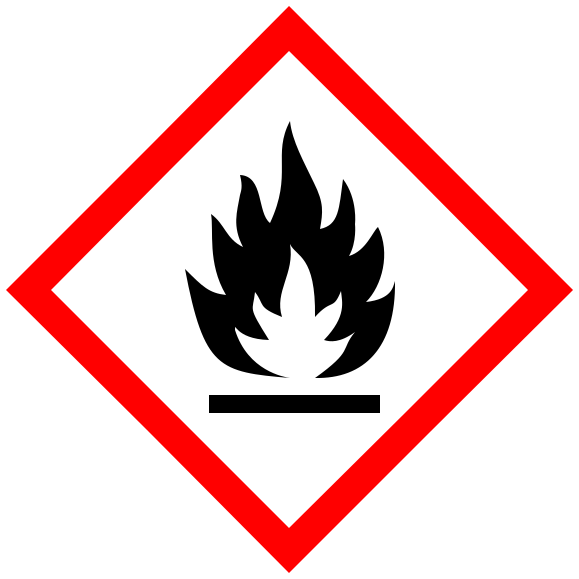 |
| Cadmium (pyrophor) | 7440-43-9 | Gefahr | 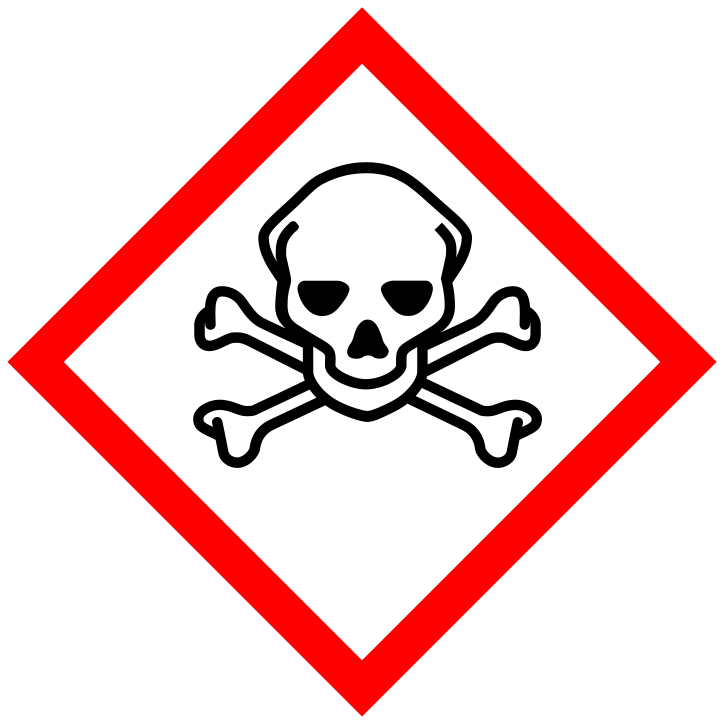 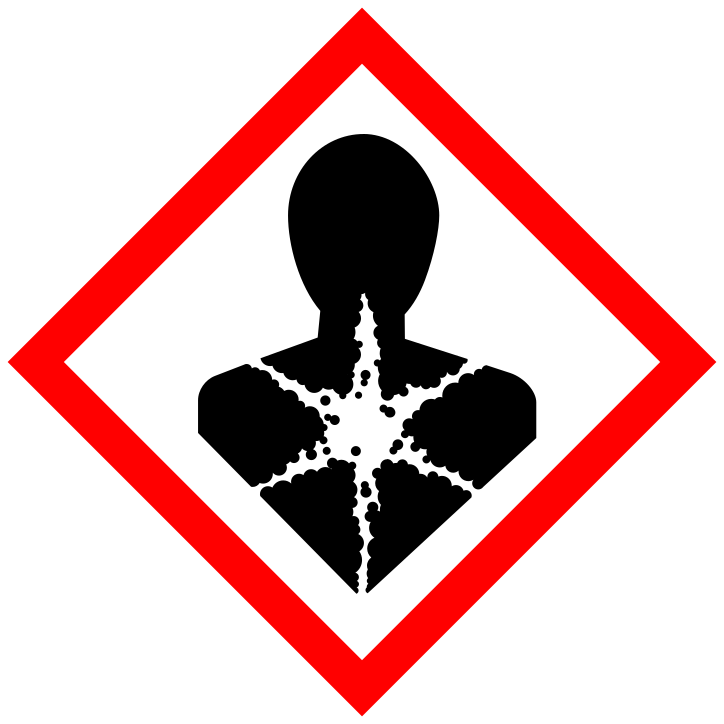 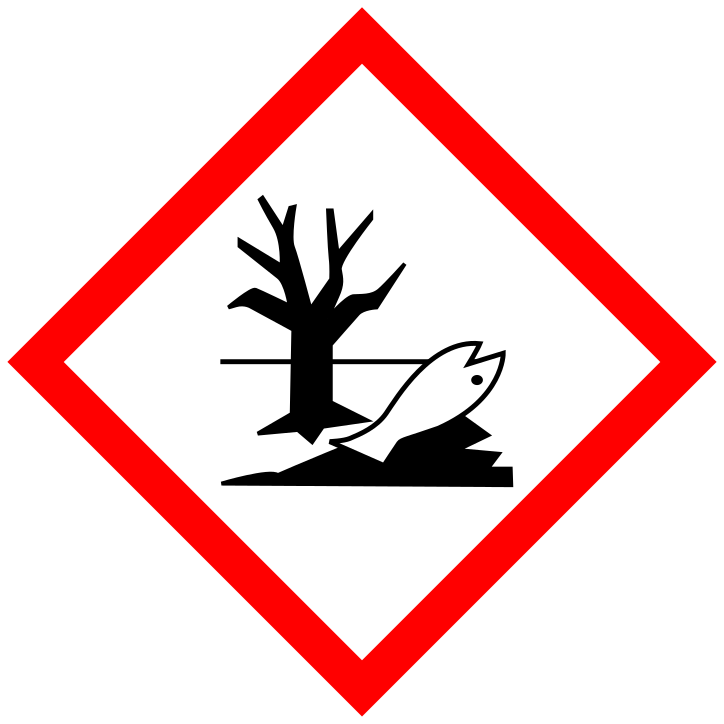 |
| Dimethylzink | 544-97-8 | Gefahr | 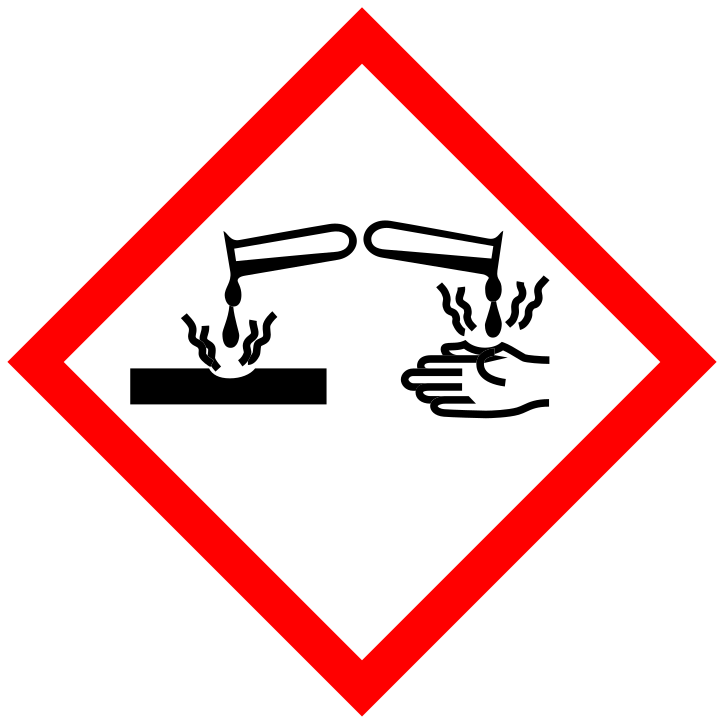 |
| Hexyllithium | 21369-64-2 | Gefahr | |
| Magnesiumpulver (pyrophor) | 7439-95-4 | Gefahr | |
| Weißer Phosphor | 12185-10-3 | Gefahr | |
| Zinkpulver — Zinkstaub (pyrophor) | 7440-66-6 | Gefahr | |
| Zirconiumpulver (pyrophor) | 7440-67-7 | Gefahr | |
| Di-n-octylaluminiumiodid | 7585-14-0 | Gefahr | |
| Diethyl(ethyldimethylsilanolato)aluminium | 55426-95-4 | Gefahr | |
| Diethylmethoxyboran | 7397-46-8 | Gefahr | 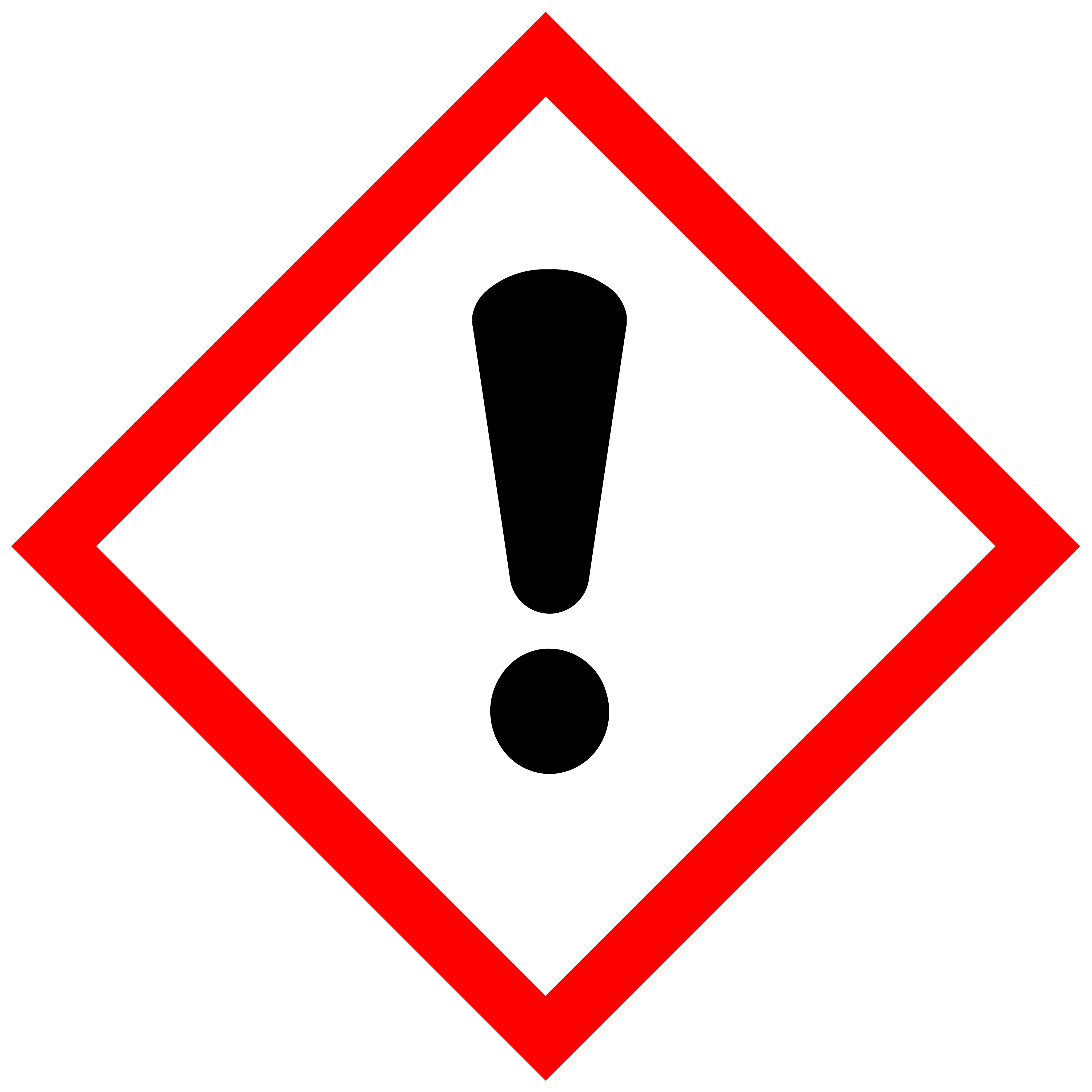 |
| tert-Butylarsin | 4262-43-5 | Gefahr | |
Häufige Fragen
Was bedeutet H250?
H250 ist ein Gefahrenhinweis nach der CLP-Verordnung. Der amtliche Wortlaut: „Entzündet sich in Berührung mit Luft von selbst.“
Wo ist H250 festgelegt?
In Anhang III der Verordnung (EG) Nr. 1272/2008, der CLP-Verordnung. Der Wortlaut ist in jeder Amtssprache der EU festgelegt.
Wie viele Stoffe haben H250?
Auf dieser Website stehen 12 Stoffe aus Anhang VI mit H250.
Wie heißt H250 auf Englisch?
Der englische Wortlaut ist „Catches fire spontaneously if exposed to air.“